


Note: This is a longer post. If it gets clipped in your email, just click “View entire message” or open it in your browser to read the whole message.
I’ve tried to keep this post quick. But I can’t help it when these beautiful crops are just begging to be photographed as they grow strong and await the harvest. I hope you can make it through this long photo tribute!
The days are getting shorter, the air more crisp, and the garden is breathing a long sigh of contentment after a beautiful summer. The main harvest is slowing, but there are some cold-loving crops in the ground that are still going strong.
And I know, we’ve all been growing, weeding, and watering for months, and ready to be done. But the snow and cold will be here before we know it (at least for me; someday I’ll live somewhere that’s warm year-round), and then we’ll be gazing longingly at our garden photos and just wishing we could go back to the warmth.
I get crochety about gardening as early as July, so I totally get it. You don’t want to have a hot mic on me when I’m out there watering my many, many pots of mint on three levels with my pulley system I rigged to get the hose up to the balcony. I can get pretty creative with my tired-of-gardening profanity.
But nothing in life that’s worth it is easy, right? That’s why we’re going to keep going. Come on, do it with me! Let’s take a look at what’s going on in the garden while we still can.
🥭Fruit
Ground cherry / cape gooseberry
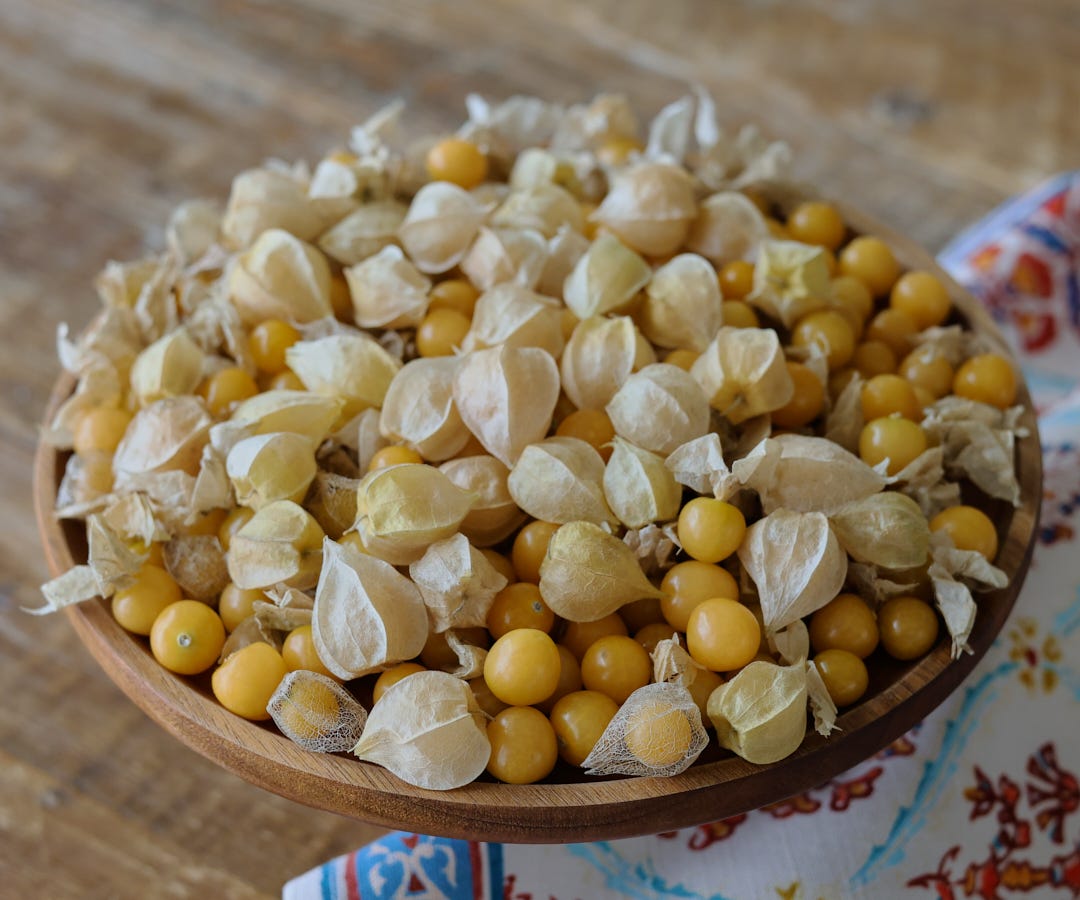
These little stunners from the Solanaceae family (aka nightshades, the same family that also includes potatoes, tomatoes, eggplant, and peppers) were a nice surprise this year. I didn’t even plant them, so they all came up as reseeded volunteers from last year’s planting.
These sprawling, low-growing plants are effortless to grow, ridiculously productive, and they drop these little lantern-ensconced fruit gems whenever they’re ripe.
Their flavor is unique, and I find it to me most akin to a combination of orange and vanilla custard. Others find notes of pineapple, apricot, and caramel. They become more deeply sweet as they ripen.
The varieties I grew last year, from which this year’s crop has resprouted (except for the uvilla, as I’ll explain below), are:
Aunt Molly’s
Cossack
Drott’s yellow
New hanover
Uvilla
The uvilla one, native to Peru, Ecuador, and Colombia, didn’t ripen in time last year before the cold arrived. It’s from the species Physalis peruviana, whereas the first 3 of the others others are from the species Physalis pruinosa; and the New hanover is sometimes labelled as pubescens. And like with the other 4 varieties, I had started the uvilla early under my grow lights. I think I just live too far north for this one to stand a chance.
While the other varieties above have a days to maturity range of 65-80 days, the uvilla is 100-120 days. My growing season isn’t quite long enough to grow them successfully in most years. If any of you have grown this variety successfully, I’d love to know how they did for you. They’re supposed to be larger than the others, with a sharper, more tart and sweet tropical flavor.
But since I didn’t plant any of them this year, and they came back up on their own from last year’s fallen fruit, I’m grateful for this little harvest. I’d love to make them into a sweet and roasty galette with the edges of the crust folded over and sprinkled with sugar onto this jammy goodness. If only I had more than this little harvest to work with to do some multi-trial recipe testing. But I’ll take what I can get, and I know it’ll be delicious!
I’ve seen these occasionally at grocery stores (Trader Joe’s for sure, as I recall), and labeled as “golden berries.” If you find some, and especially if you’d like to try growing your own, I encourage you to go for it!
Roselle
Roselle is a type of hibiscus grown for its flower calyces (the cup-like structures that hold the flower petals), which have a a wonderful tart flavor to add to drinks, jams, and sauces. Although this crop is technically floral tissue, I use it as I would a fruit in the kitchen, so I’m categorizing it here.
Both this year and last year, I’ve only managed to get the calyces to begin forming before the cold has taken down the plants. For harvesting, I would need the flowers to emerge, and then to harvest the calyces after the petals drop.
This is my second year trying to grow roselle. The variety in the photo below is Doc’s northern Florida. I just don’t have a long enough growing season here in southeast Michigan, USDA hardiness zone 6A to get enough of a harvest. The days to maturity of this variety are 120-140 days from transplant.
So even starting these seeds weeks early indoors under my lights, I haven’t managed to get these guys ready to harvest. And in researching other varieties, it doesn’t look like there are good contenders for types that mature much earlier. They’re cute, though, aren’t they?
I love to have roselle in herbal tea blends, and in refreshing summer drinks like lemonade. For now, I’ll keep buying them dried so I can keep enjoying them until I can move to a warmer climate and try again!

🥕Veggies
Lagos spinach
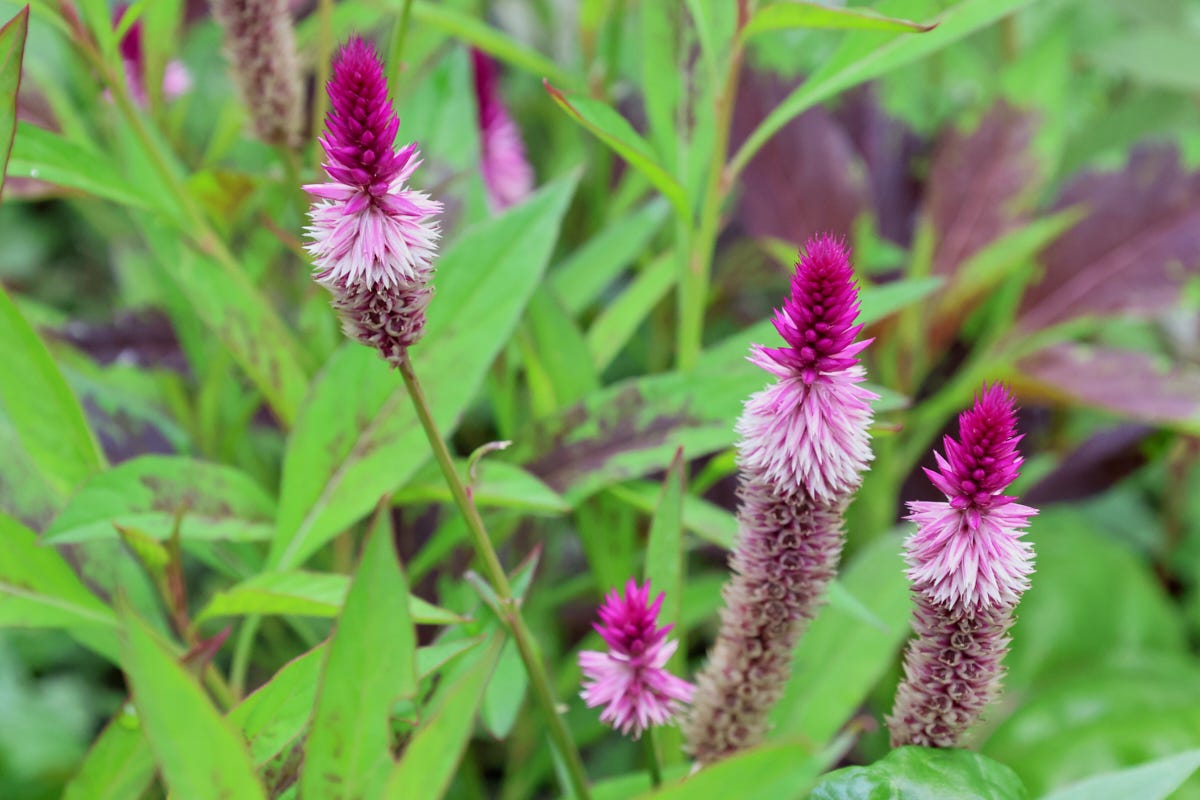
This is a celosia, as you may have noticed from the flowers. And it also has wonderful heat-tolerant leafy greens! I love crops with multiple functions.
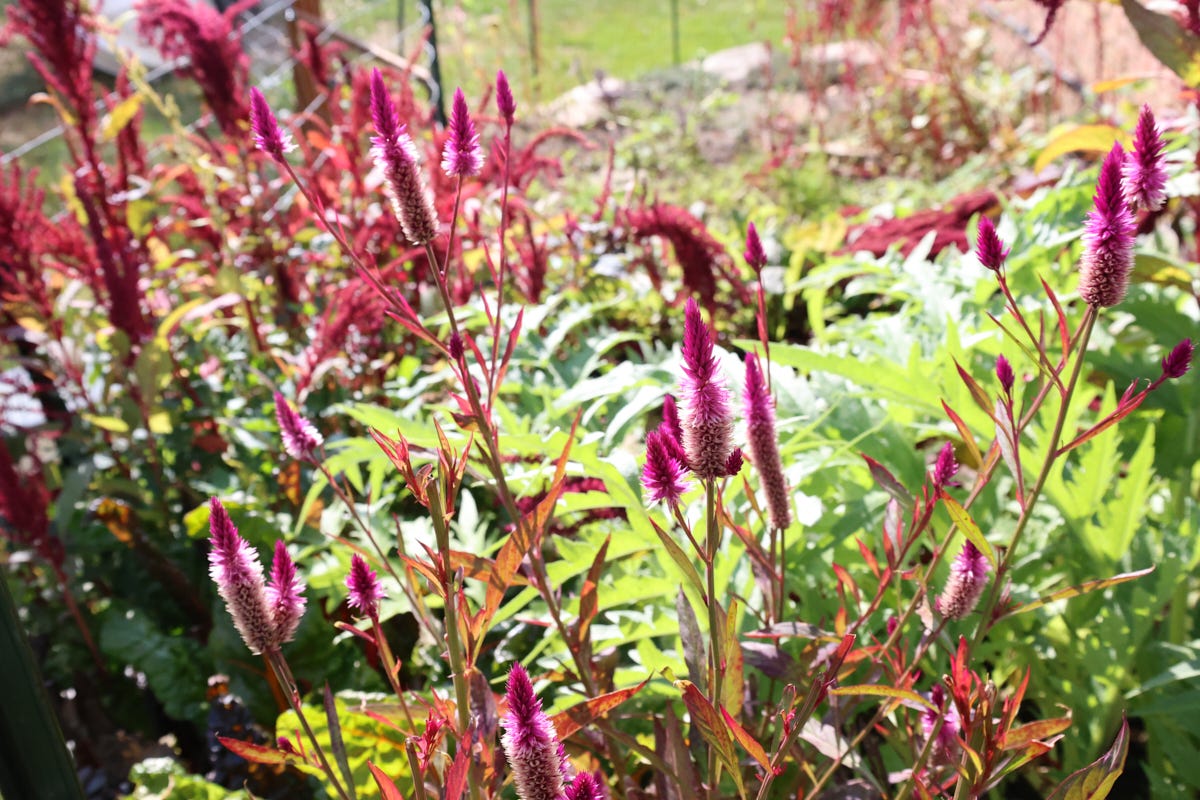
You can see that the leaves have now matured and bronzed, compared to how the plant looked earlier in the summer from the photo below.
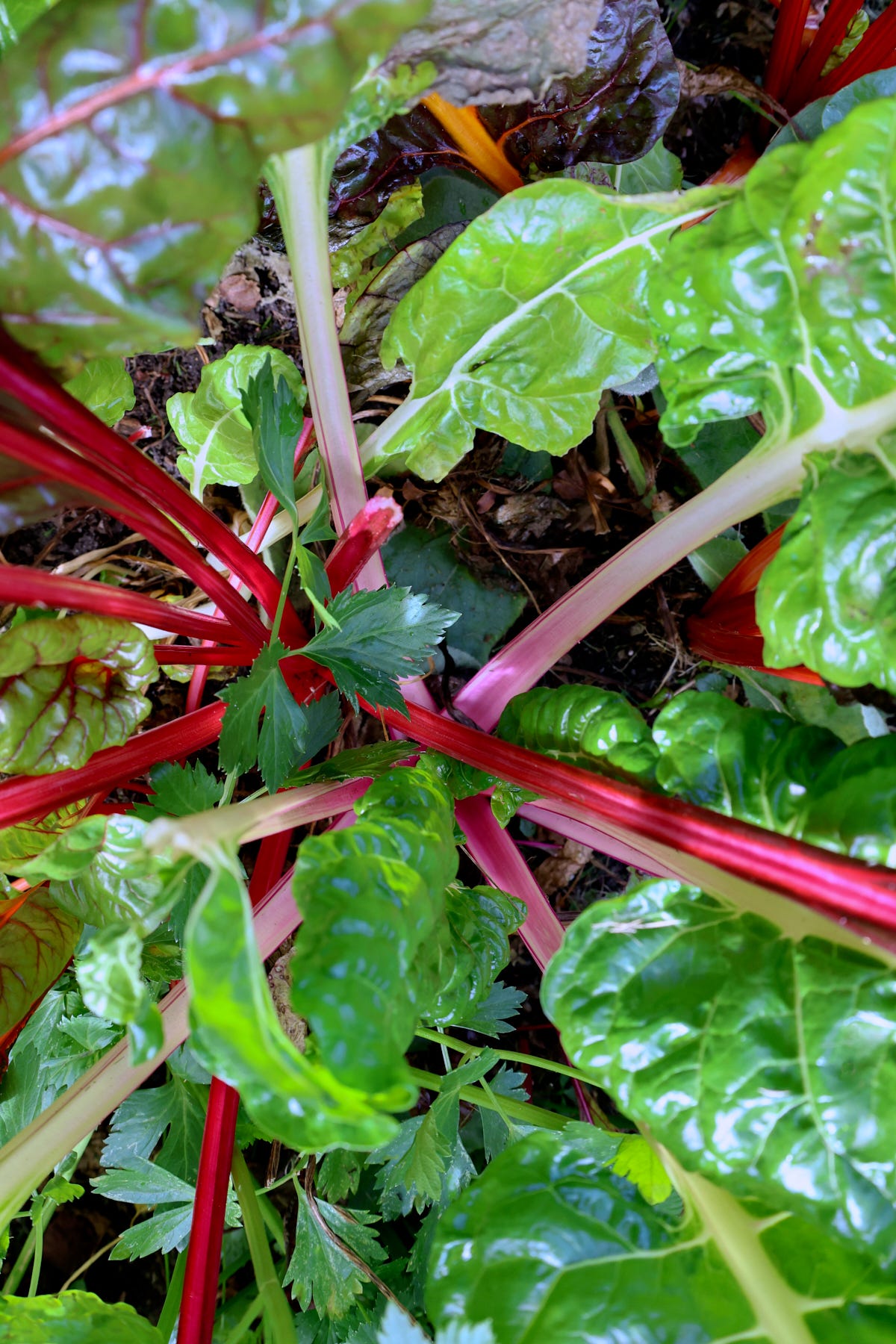
Chinese pink celery
This beautiful bright pink celery is simple to grow, and it has an enticingly-fresh and complex celery flavor. I found it to be surprisingly salty and savory. I really love this crop. But then again, my favorite and hard-to-find pop (Soda people, don’t even start right now, lol) is Doc Brown’s Cel-Ray. When I find a can of this at a good deli, it’s the best day ever. This celery-flavored drink is just sublime!
Gobbo di nizzia cardoon
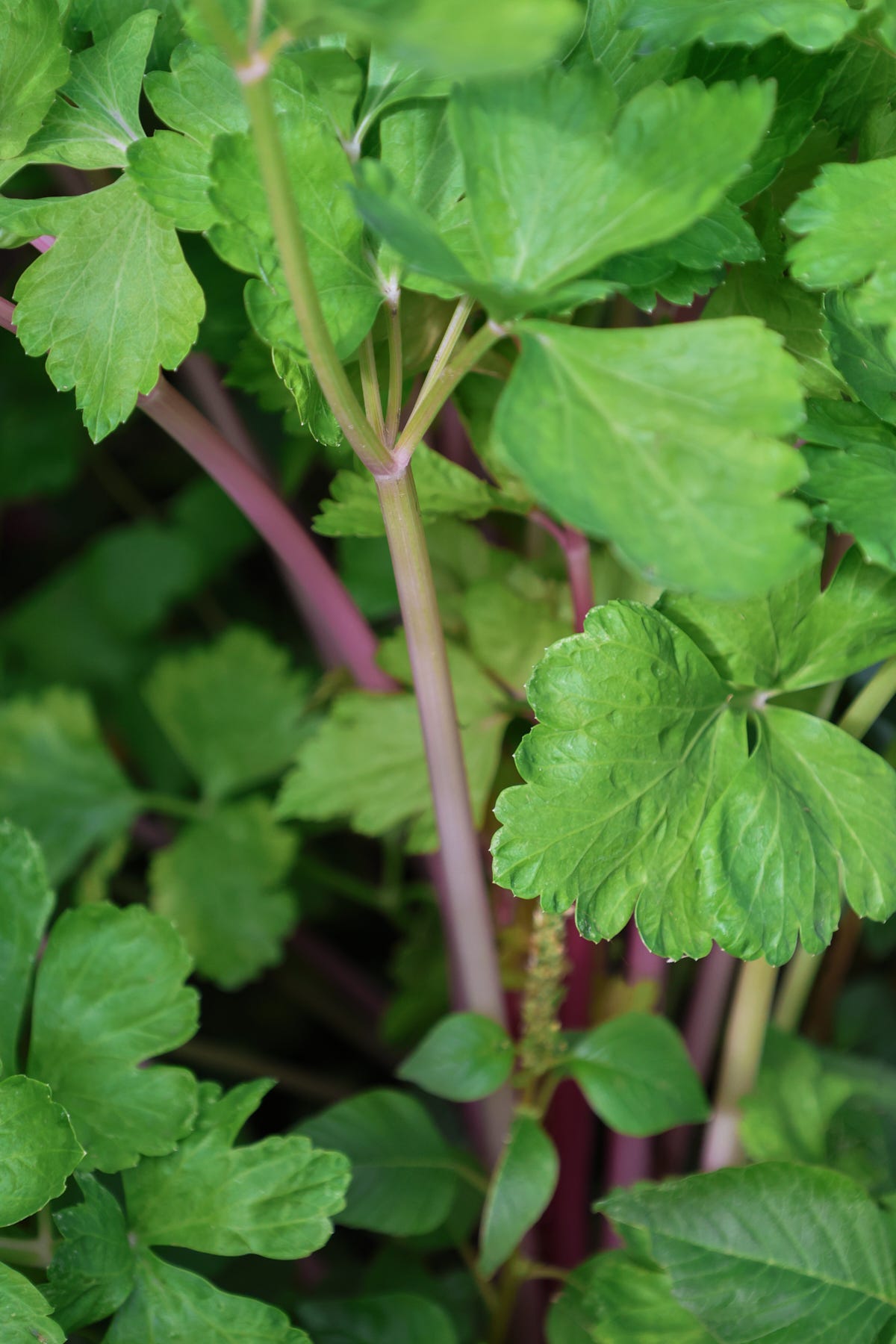
This is my first year growing cardoons, and I’m so excited. I still have never tasted them yet! As they near fully ripening in the garden, I need to start researching the best way to try cooking them. I know they’re traditionally enjoyed in parts of Europe over the winter holidays. I’ve only seen them in a local grocery store once in my life (!), so I’ve always wanted to try growing them myself to have a chance to try them out.
I’m just reading now to my surprise that cardoons aren’t just a member of the artichoke family; rather they ARE artichoke plants. Some varieties are grown for their thick and tender stalks, like my gobbo di nizzia variety that I’m growing, and others are bred for their large, edible flower heads that we enjoy as artichokes.
We LOVE artichokes. We have them as an occasional treat with “Mémé sauce,” the French vinaigrette named after my mother-in-law’s special version. The kids would even ask for us to make artichokes with Mémé sauce for their birthday dinners when they were little. I only wish our climate here in zone 6A were just a little warmer to be able to grow and harvest globe artichokes in our garden.
And now that I know that cardoons are actually the stems from the very same crop as artichokes, rather than just close relatives, I just KNOW they’re going to be delicious. I can’t wait to try them!
My cardoons aren’t likely to make it until anywhere near the winter holidays as they do in Europe, as the cold will take them down well before then. So I need to hurry up and figure out a wonderful way to enjoy them while I can. I’ll keep you posted!
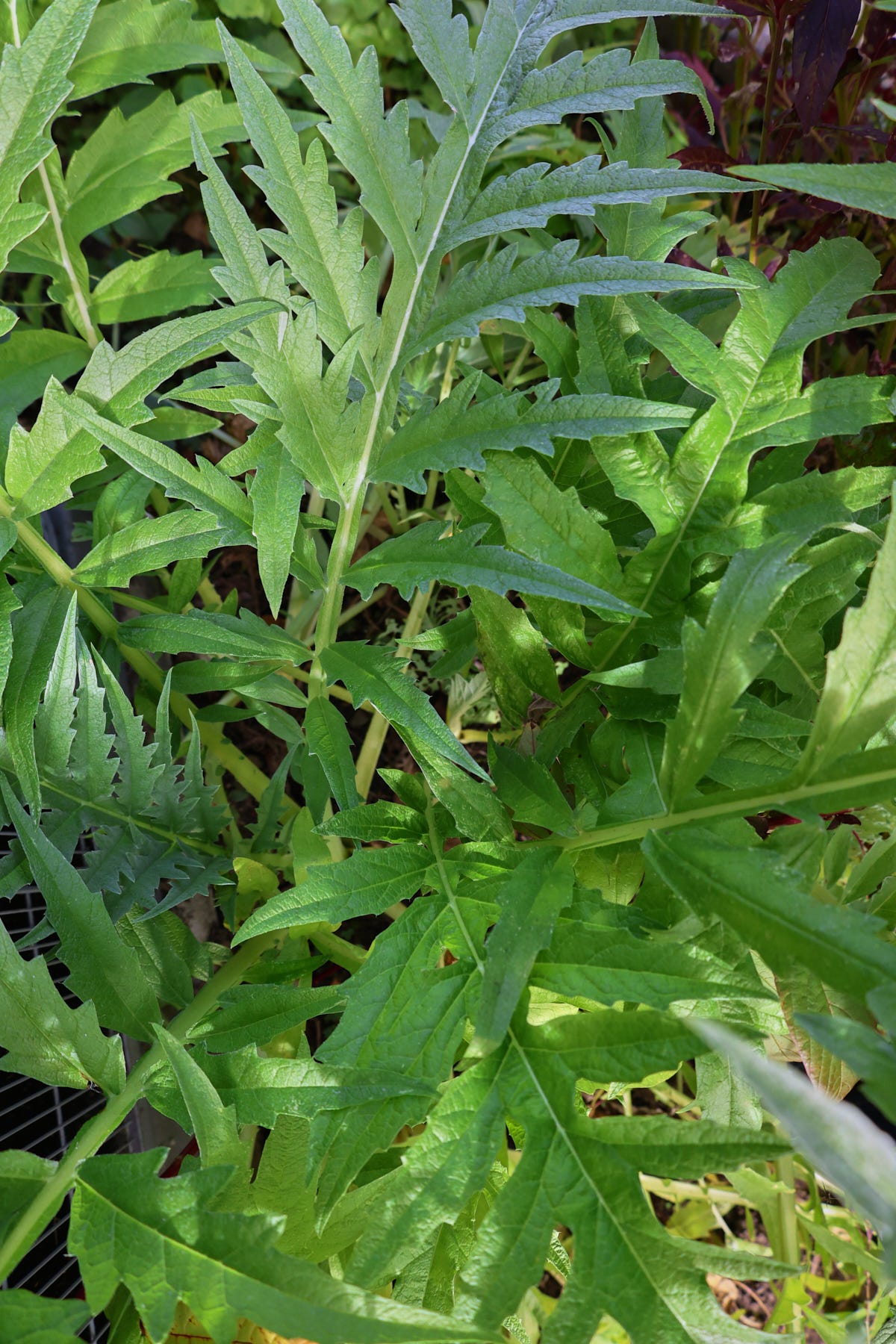
5-color silverbeet chard
Swiss chard (known as silverbeet in Australia and New Zealand) is such a bright and productive crop. The stems and leaves are both edible, and the color is marvelous. These make wonderful greens.
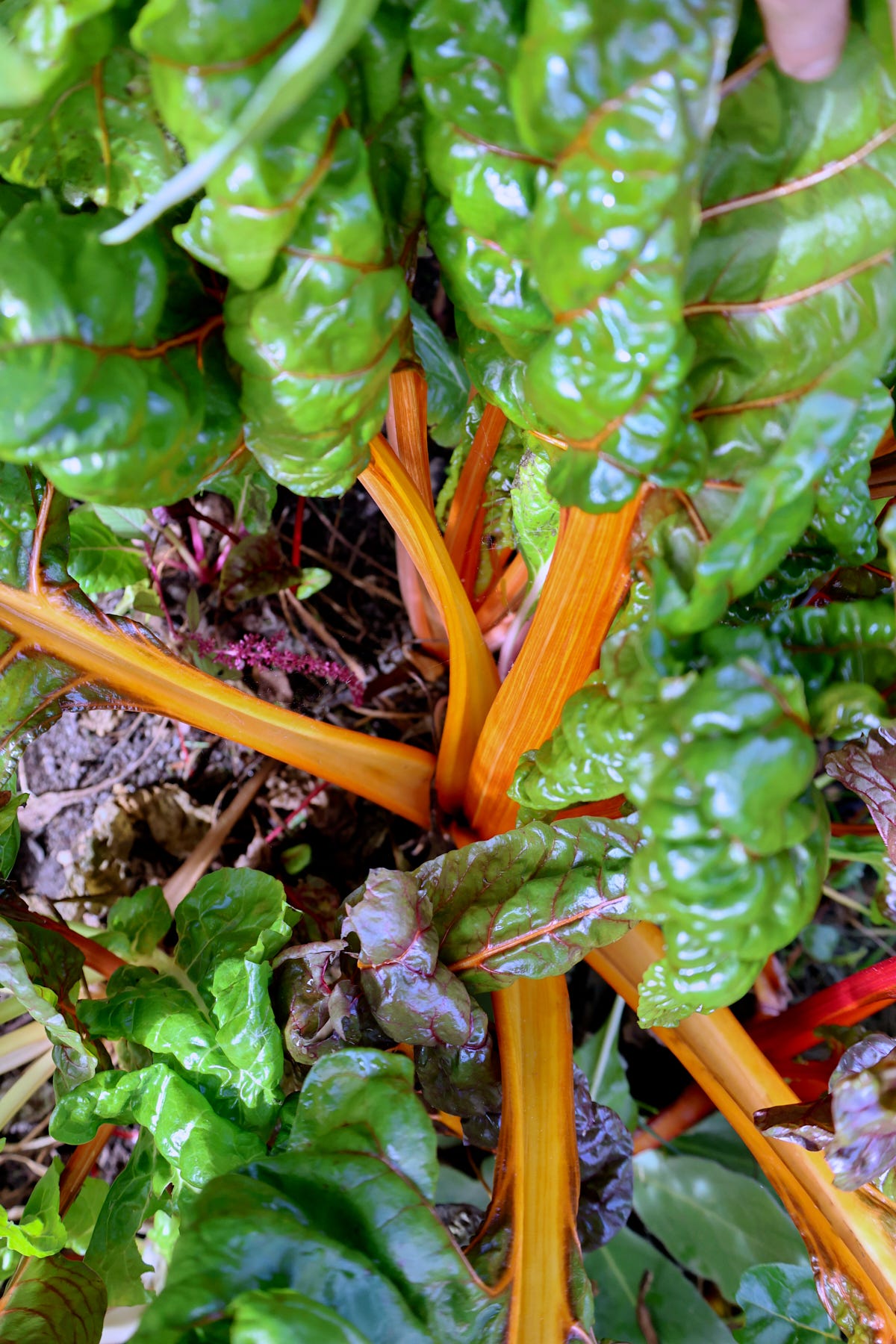
Vulcan swiss chard
🥬Herbs
Annual herbs
Shiso
From my earlier newsletters this summer, you know I love my shiso! This is an herb that deserves so much more recognition in the US. It’s such an important herb in Japan, Korea, Vietnam, and China. It’s in the mint family, Lamiaceae, and it has the most intriguing flavor combination of cumin, cinnamon, and earthiness. I just adore it.
Hojiso shiso

Red shiso
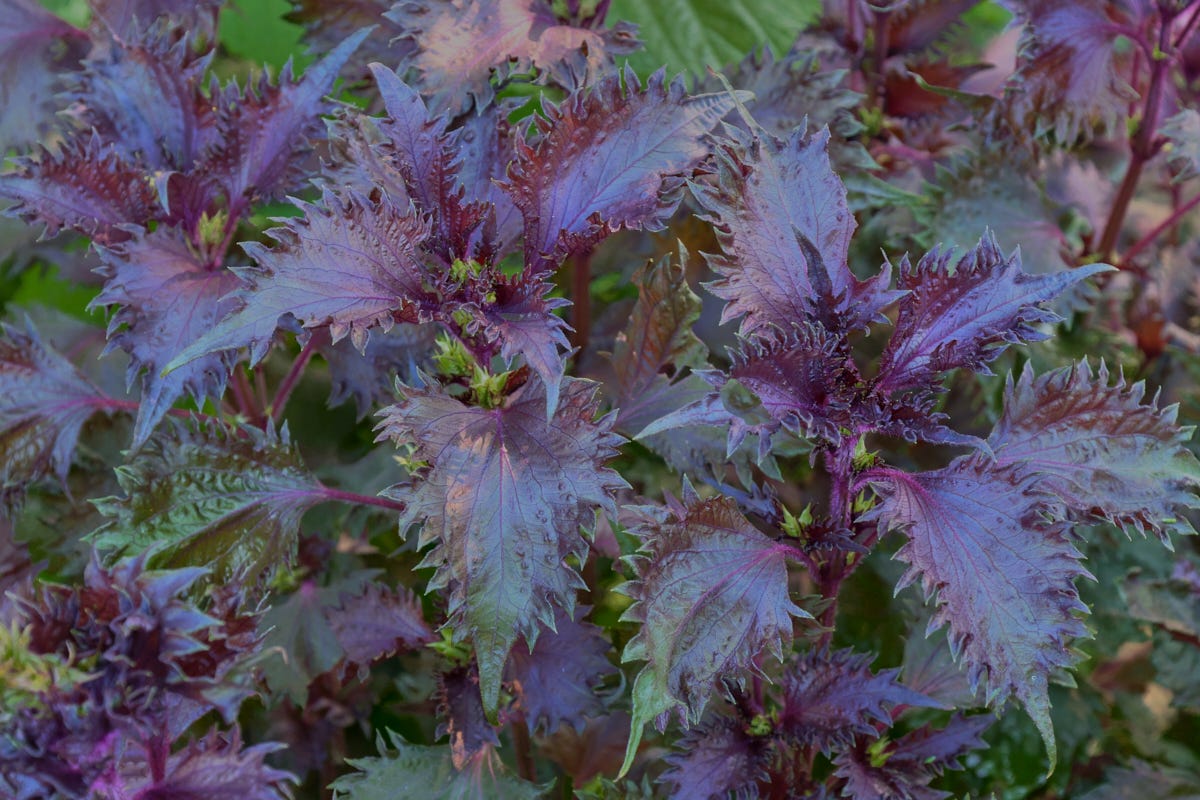
Green ohba ao shiso
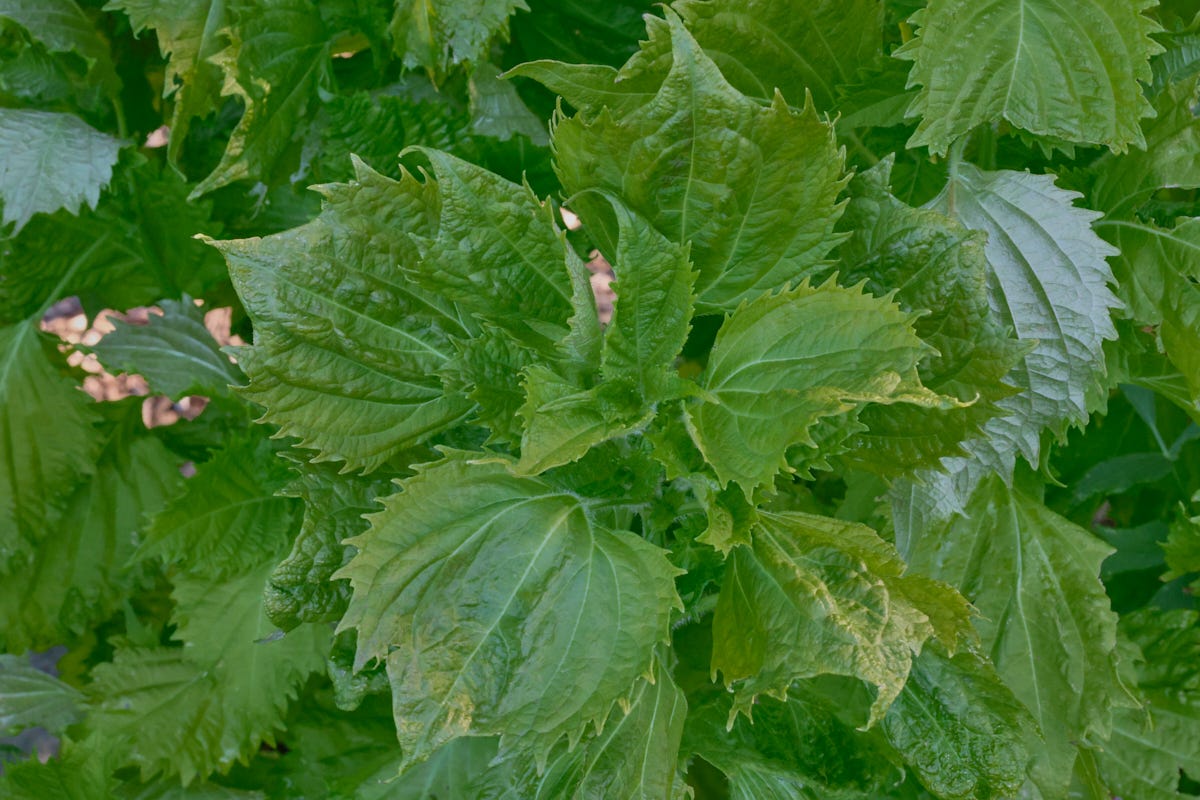
38N Kkaennip Korean shiso

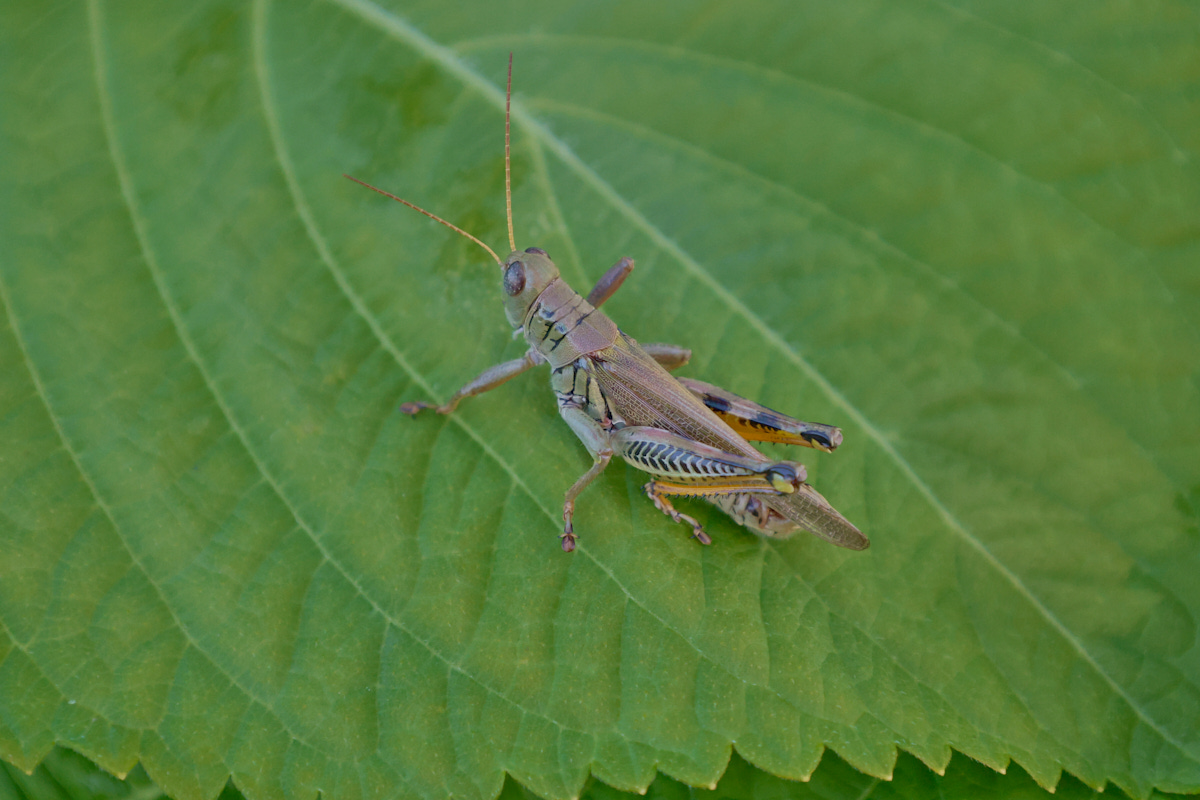
And here’s a little friend who was out with me helping to take photos. I don’t mind that he likes to eat holes in my basil and shiso leaves. There are plenty of leaves out there for me to enjoy too.
Basil
I’ve finally given in at the end of the season and let the poor basil go to flower. All summer long, I’ve been pruning off the flowers to promote more vegetative growth, rather than reproductive growth. By removing the flowers, this keeps the plant’s energy in the leaves, rather than turning dull and woody and trying to make seeds.
But now the basil has had its turn to bloom. And the flowers are glorious!
Golden mountain sweet Thai basil
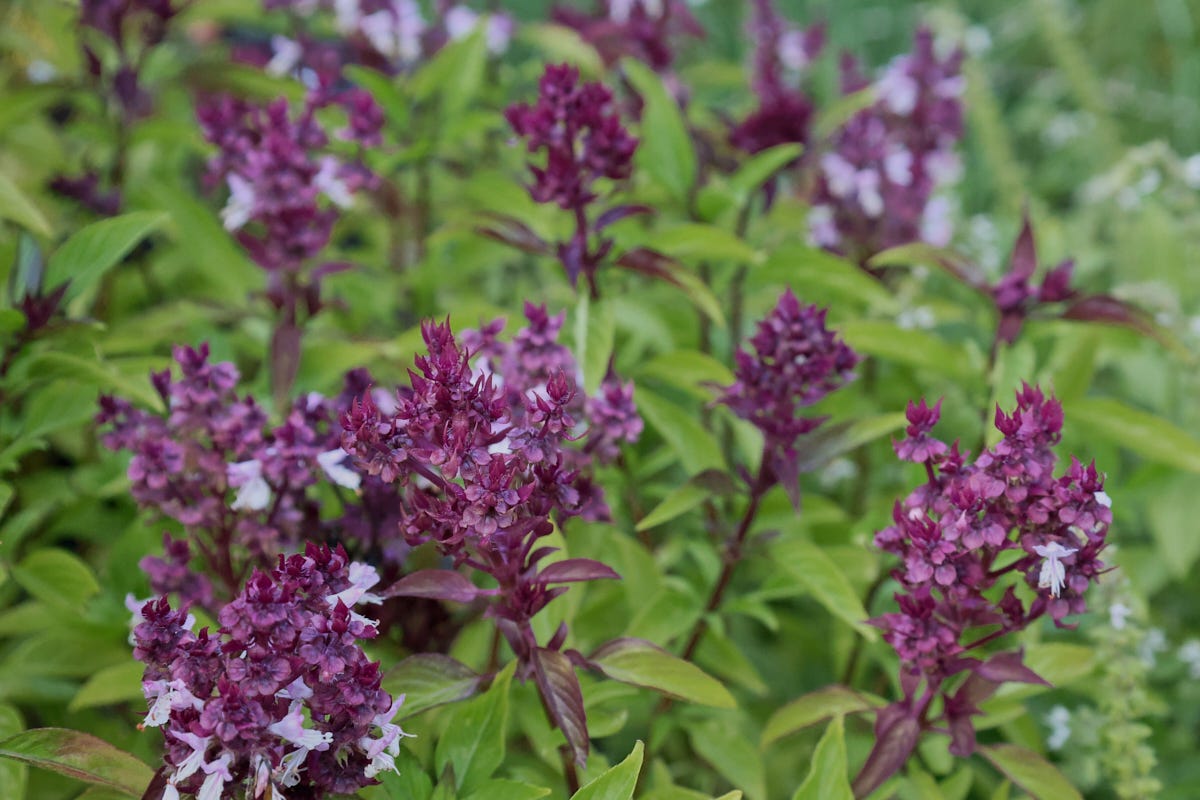
Christmas basil
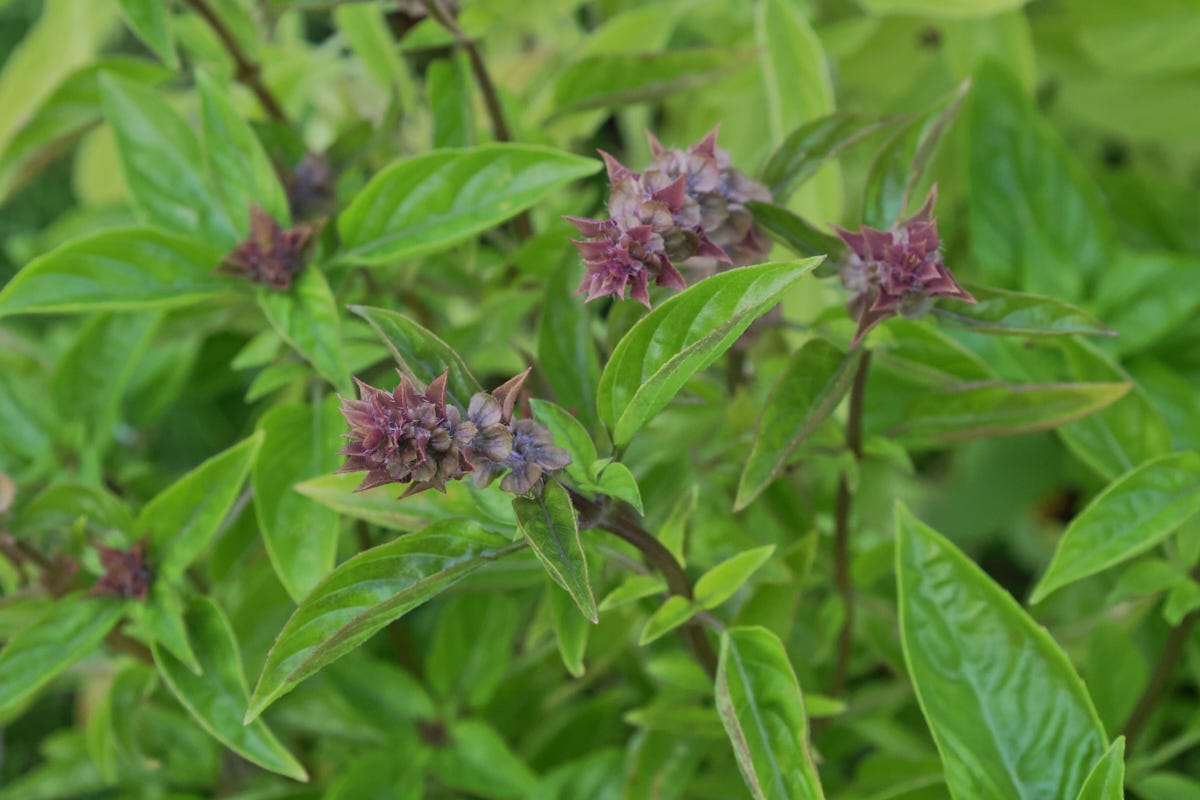
I have so many beautifully flowering basils. And the bees are everywhere! I just love to listen to their steady thrum as I work in the garden. And this late in the season, I often find them asleep on the flowers. It’s just adorable.


Shungiku
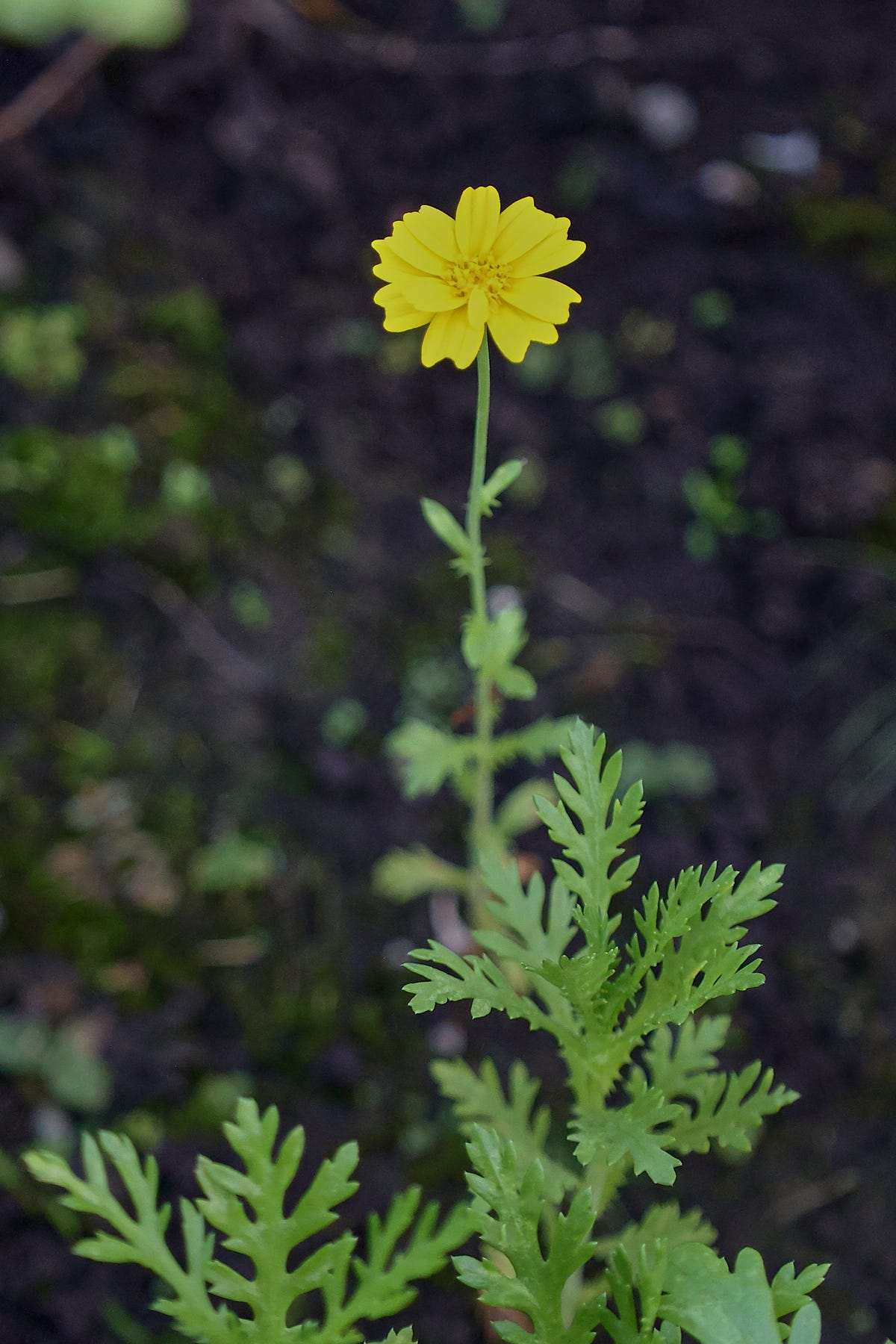
This is my first year growing the edible chrysanthemum shungiku. The plants are tiny, as they didn’t germinate for me under my grow lights. So I tried again mid-season by just direct sowing the rest of my seed pack into the herb garden. They sprouted well, but the season by then was pretty short for them. Still, I’m glad to have managed to get some growth at all. I’ll have to try starting them again under my grow lights.
This plant is in the daisy family Asteraceae, and it’s widely-enjoyed in Asia for its leafy greens. It thrives in cool weather, so it’s doing well right now. But it’s an annual, so I need to try again next year. I’m really looking forward to giving it a longer growing season next time and seeing how it does.
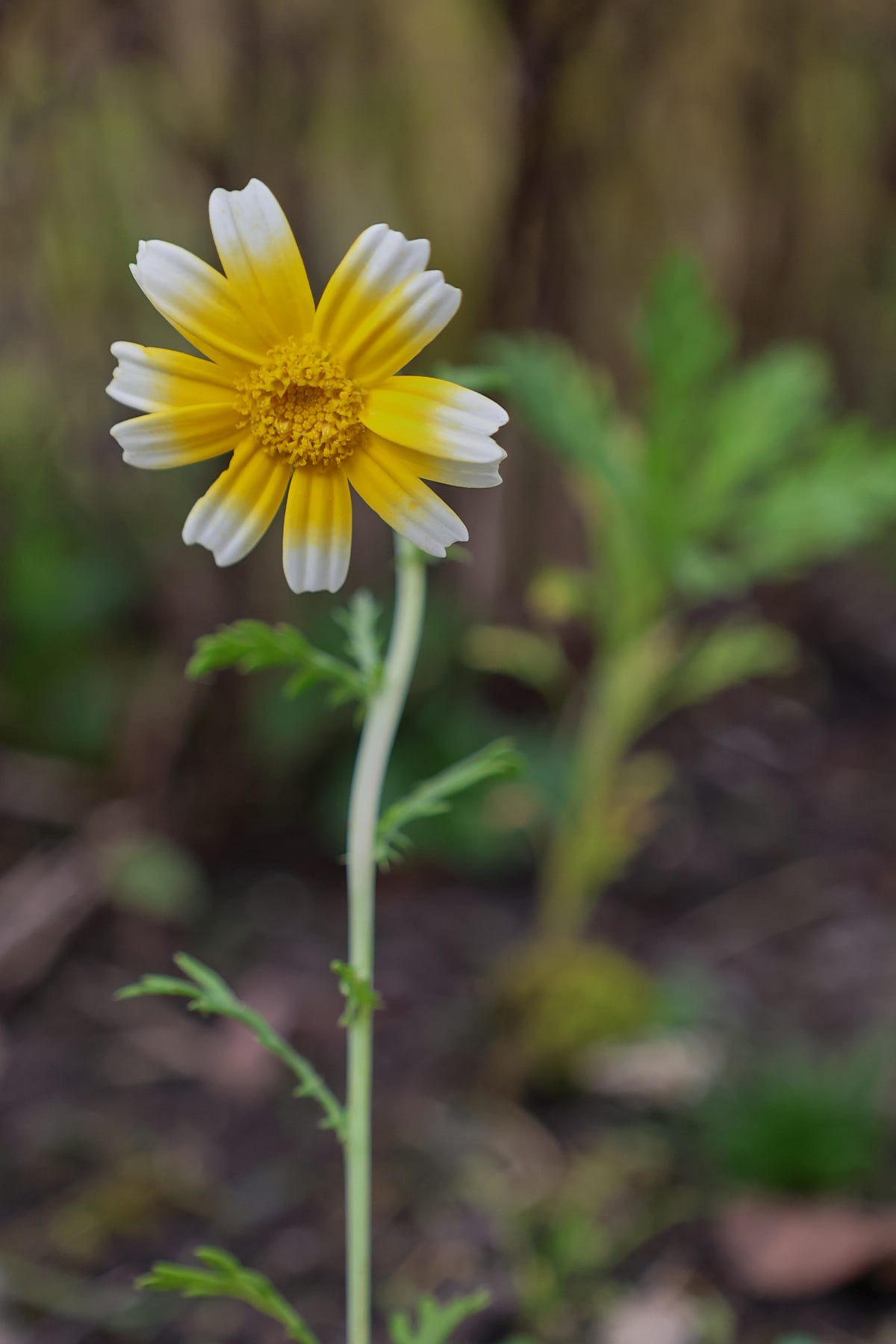
Here’s another shungiku flower variation. So cute!
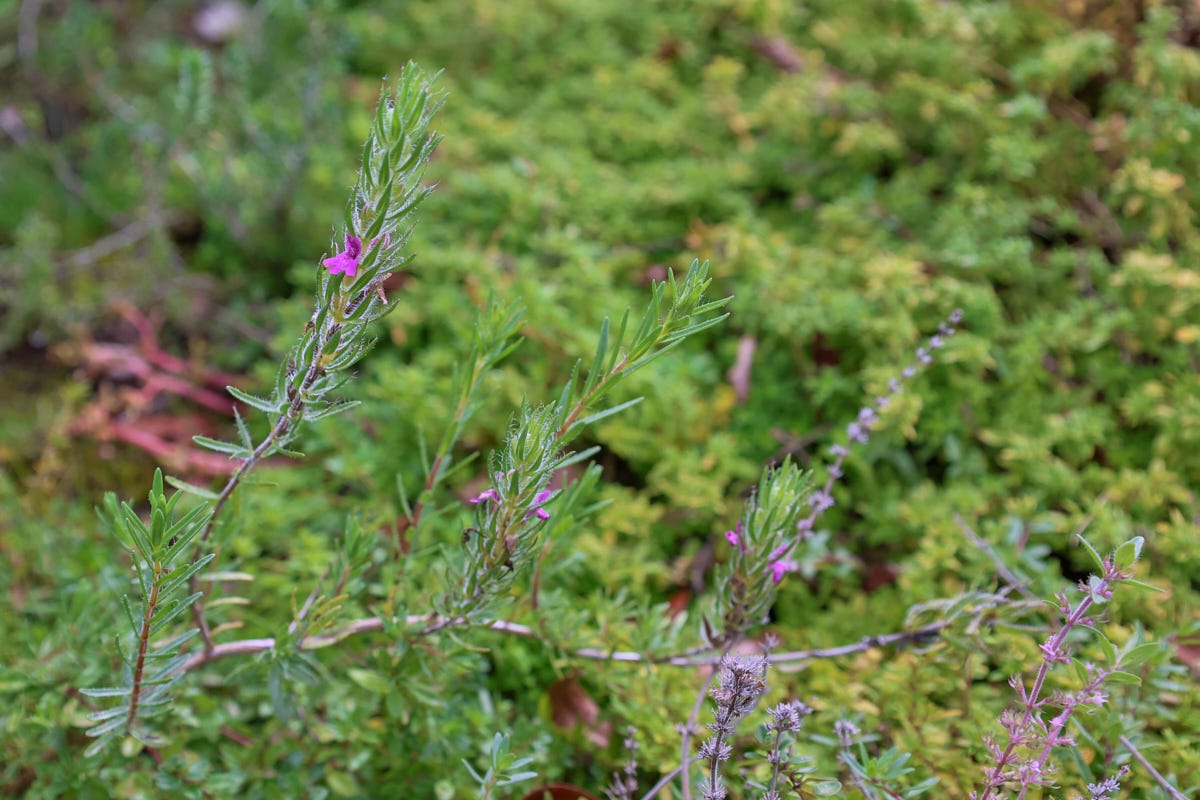
Spiked thyme
This thyme (Thymbra spicata) is less cold-hardy, and I need to grow it as an annual in zone 6A. Still, I love the spindled leaves and deep pink flowers. It’s known for its notes of camphor, thyme, and oregano.
And it’s often included in traditional za’atar spice blends from the Levantine region, which I like to grow several herbs for in my garden. The other herbs I also grow for this include:
Syrian oregano
Common thyme
Royal thyme (Thymbra capitata)
Marjoram
Greek oregano
Lebanese savory
I haven’t yet grown my own sesame, which would also be fun to do. And sumac grows wild all over near me here in USDA hardiness zone 6A. These ingredients are also often part of traditional za’atar spice blends.
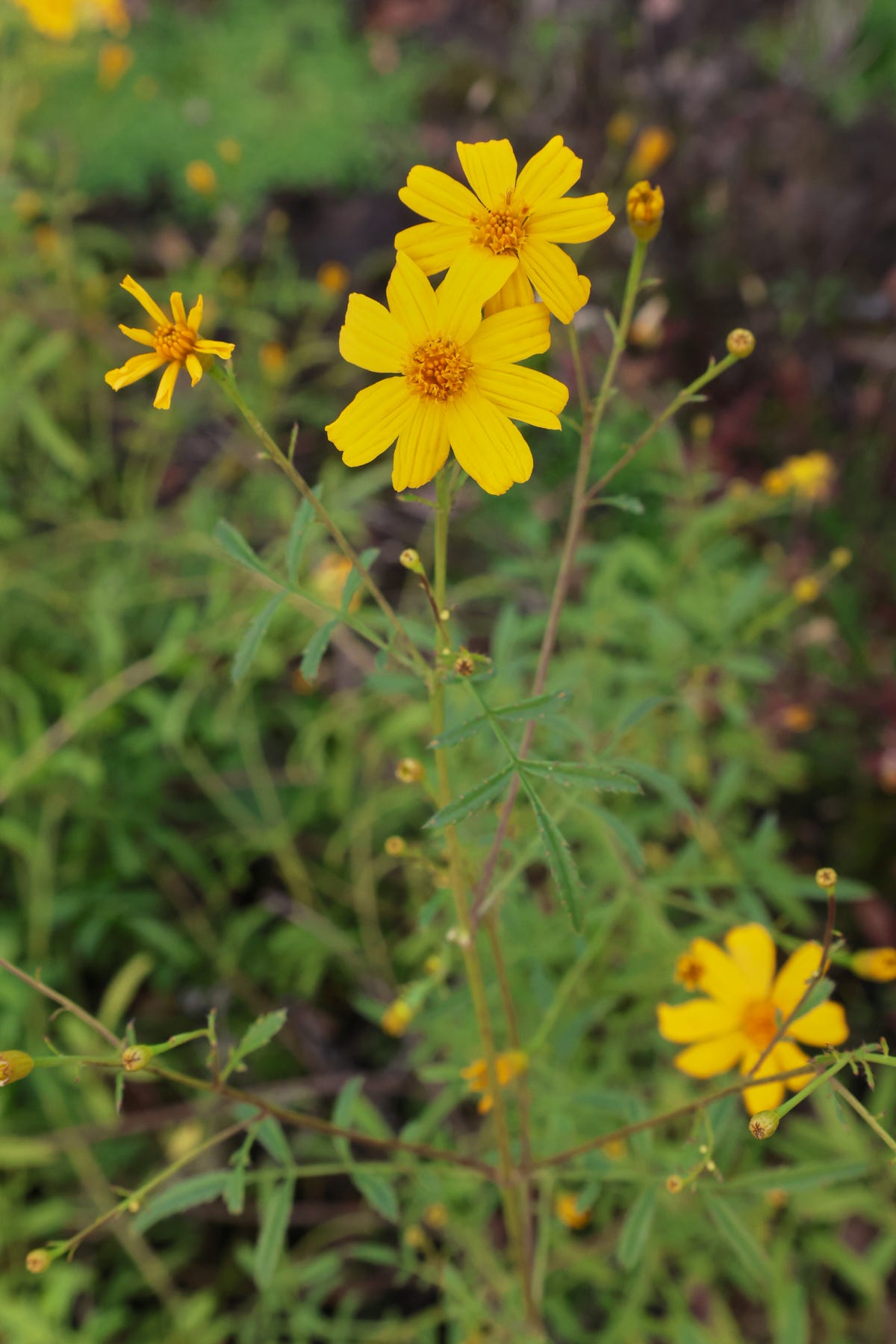
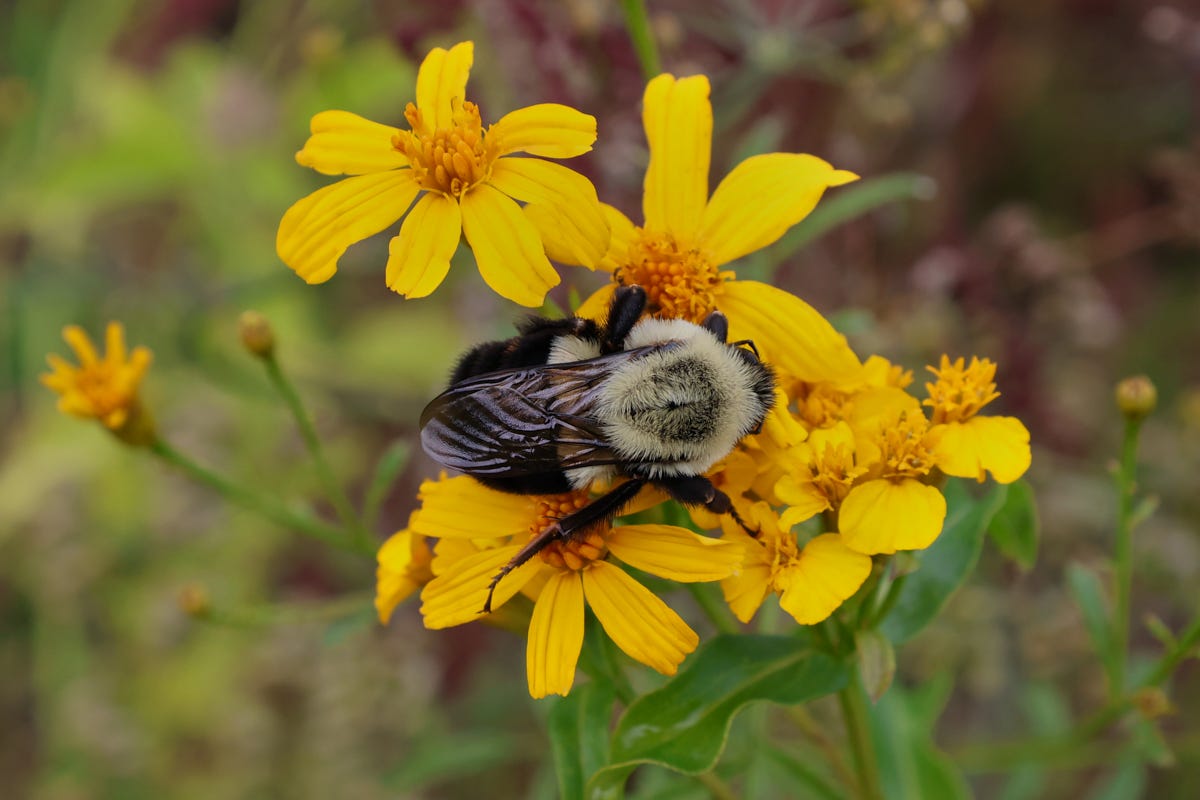
Lemon mint marigold
A beautiful culinary marigold from Mexico. My scent and flavor notes include: floral perfume, fresh, sweet, lush meadows, lemon, blond wood, fresh spring air, new clothes, young grasses, iced tea, and cool mornings.
This little guy is totally asleep. I love it!
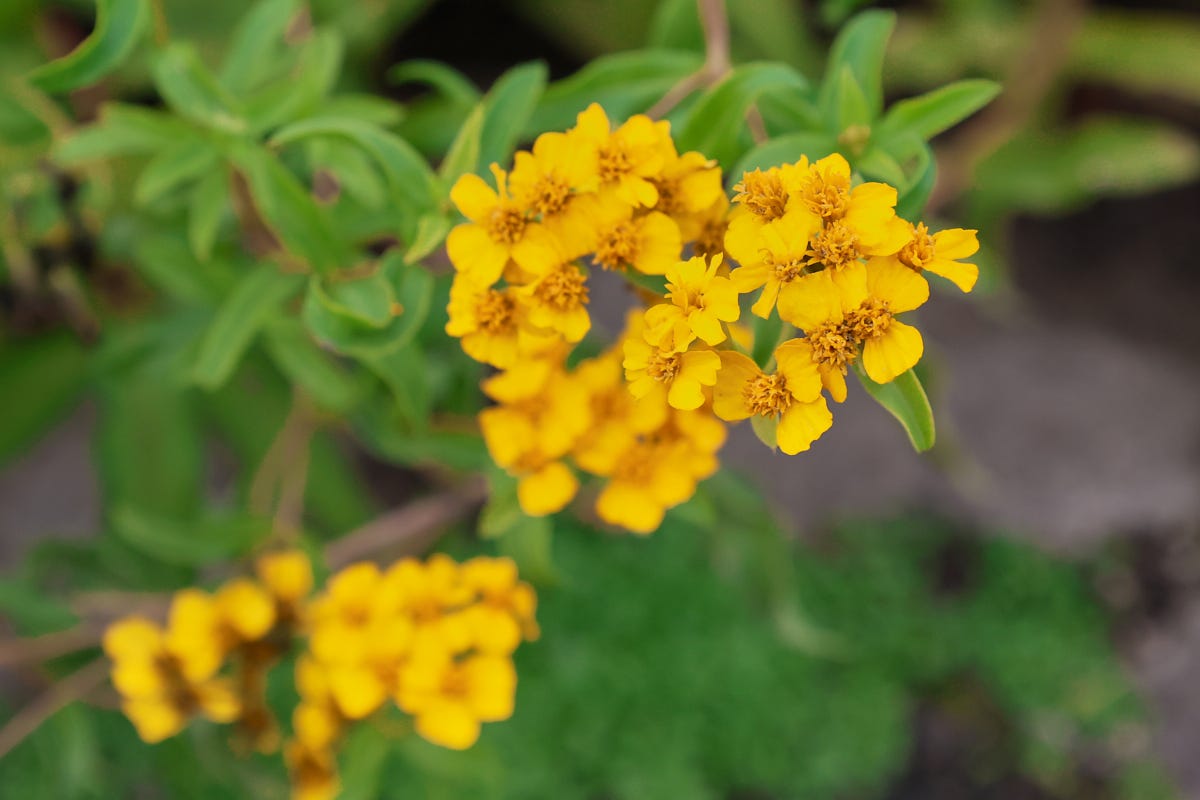
Sweet / Mexican marigold
Here are my scent and flavor notes for this variation: So pleasant and similar to tarragon; delightful, green, botanical, fresh clean water, toasted coiander seeds, roasted grapes, papaya, cucumber, lemon, grapefruit, mint, fresh rain.
Perennial herbs
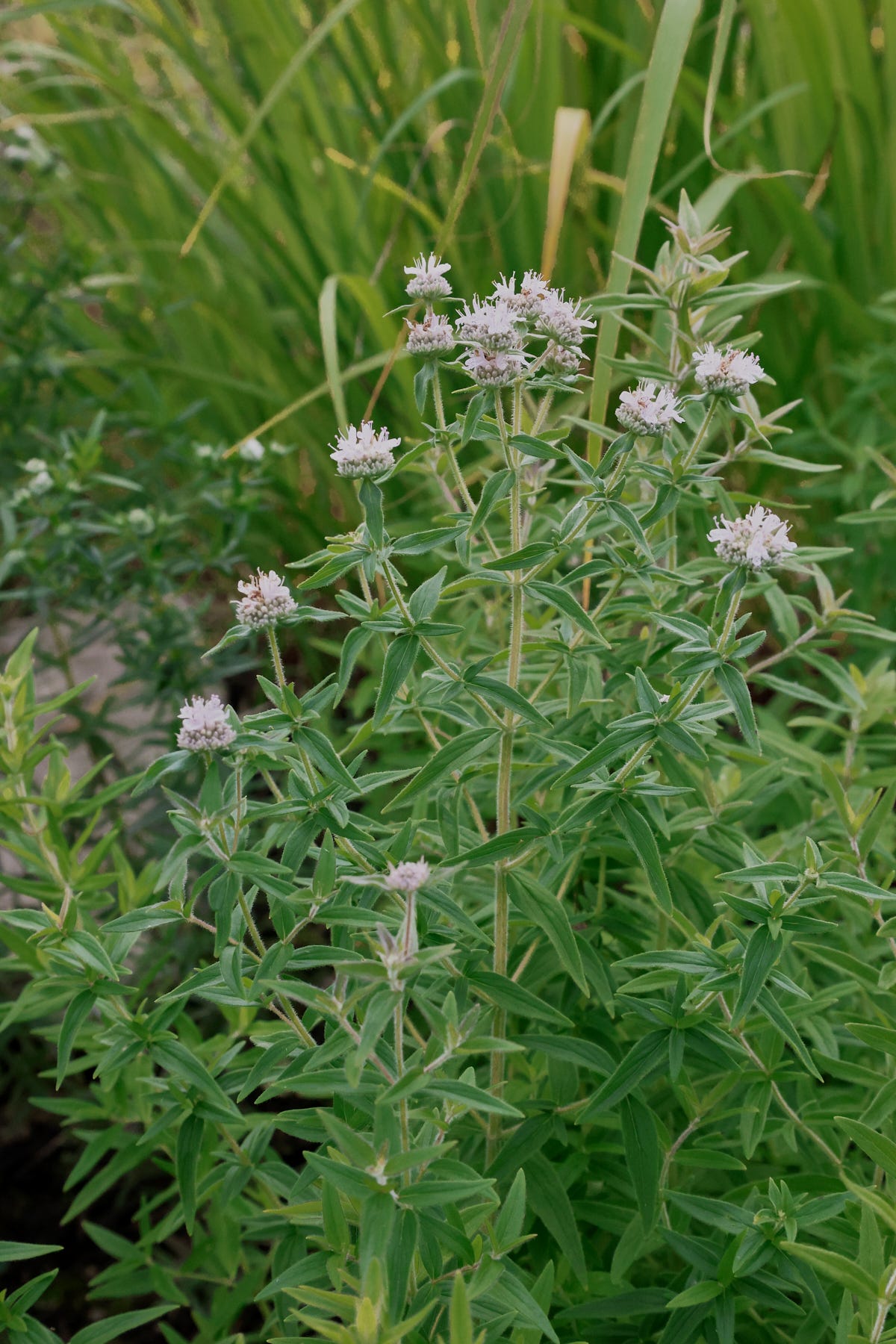
Hairy mountain mint
Mountain mint is in the mint family Lamiaceae, but the genus Pycnanthemum, which differs from more common garden mints in the genus Mentha.
Here are my scent and flavor notes for hairy mountain mint: Deep, vintage mint, sage, light smokiness, cold mountain streams, sugarcane, enjoyably bracing, mature, refined, elegant, freshly-chopped wood, aged cabin, lemony, crisp fall air.
Virginia mountain mint
This is another mint in the Pycnanthemum genus. My scent and flavor notes: Refreshingly minty in a menthol nasal way, sage, campfire, old books, smoky, antique store, reclaimed wood, mexican oregano, grilled vegetables, smoked hickory, old yellowed parchment, roasted lemons, rich soil, petrichor, 80s garden hose water.

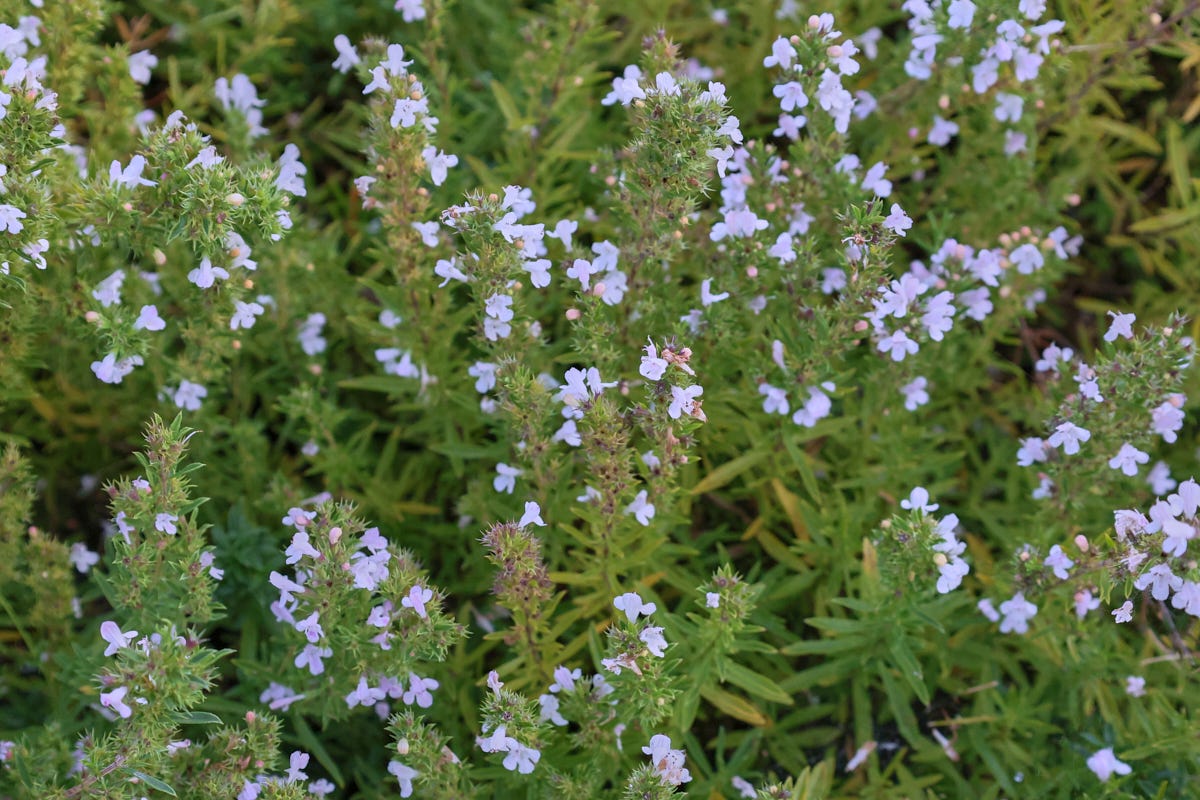
Winter savory
This is an herb garden classic that is finally beginning to flower. I love seeing these tiny blooms on it in the fall.
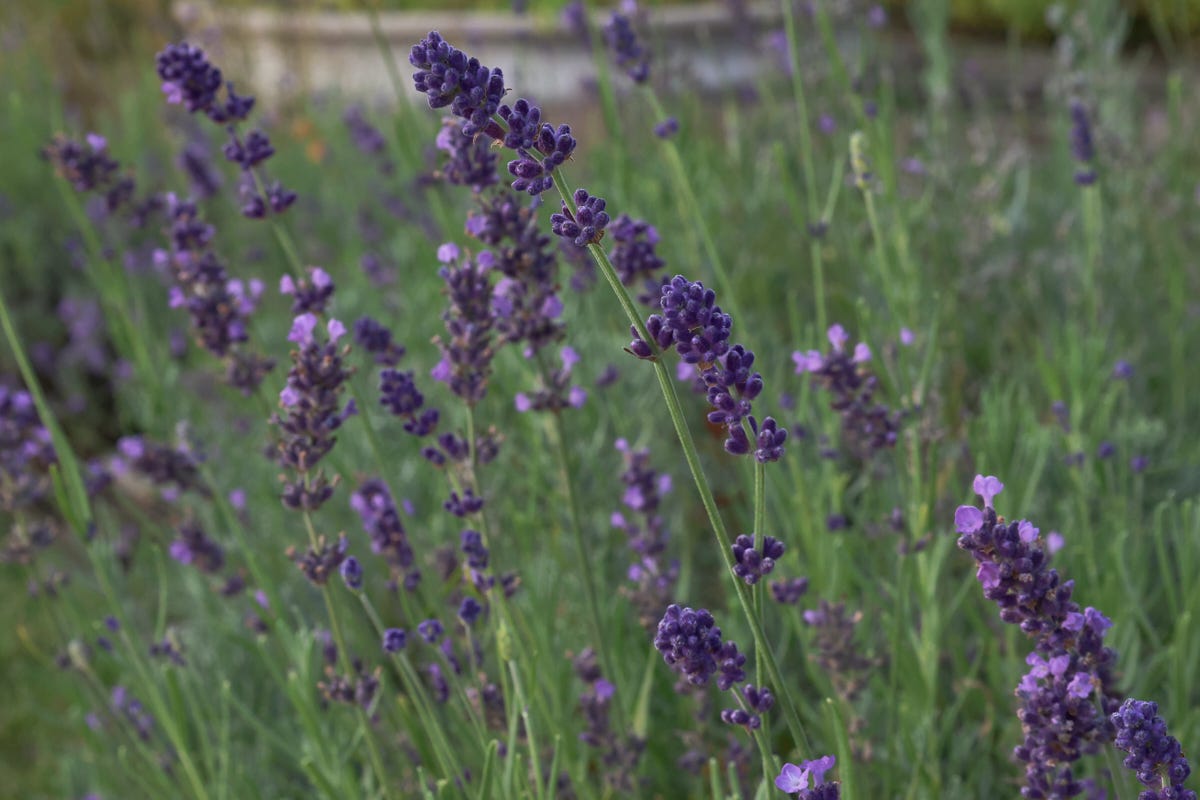
Hidcote lavender
I’m surprised that my lavender is still in flower into the fall this year! This must be a testament to our warmer weather this fall. I’ll definitely take it.
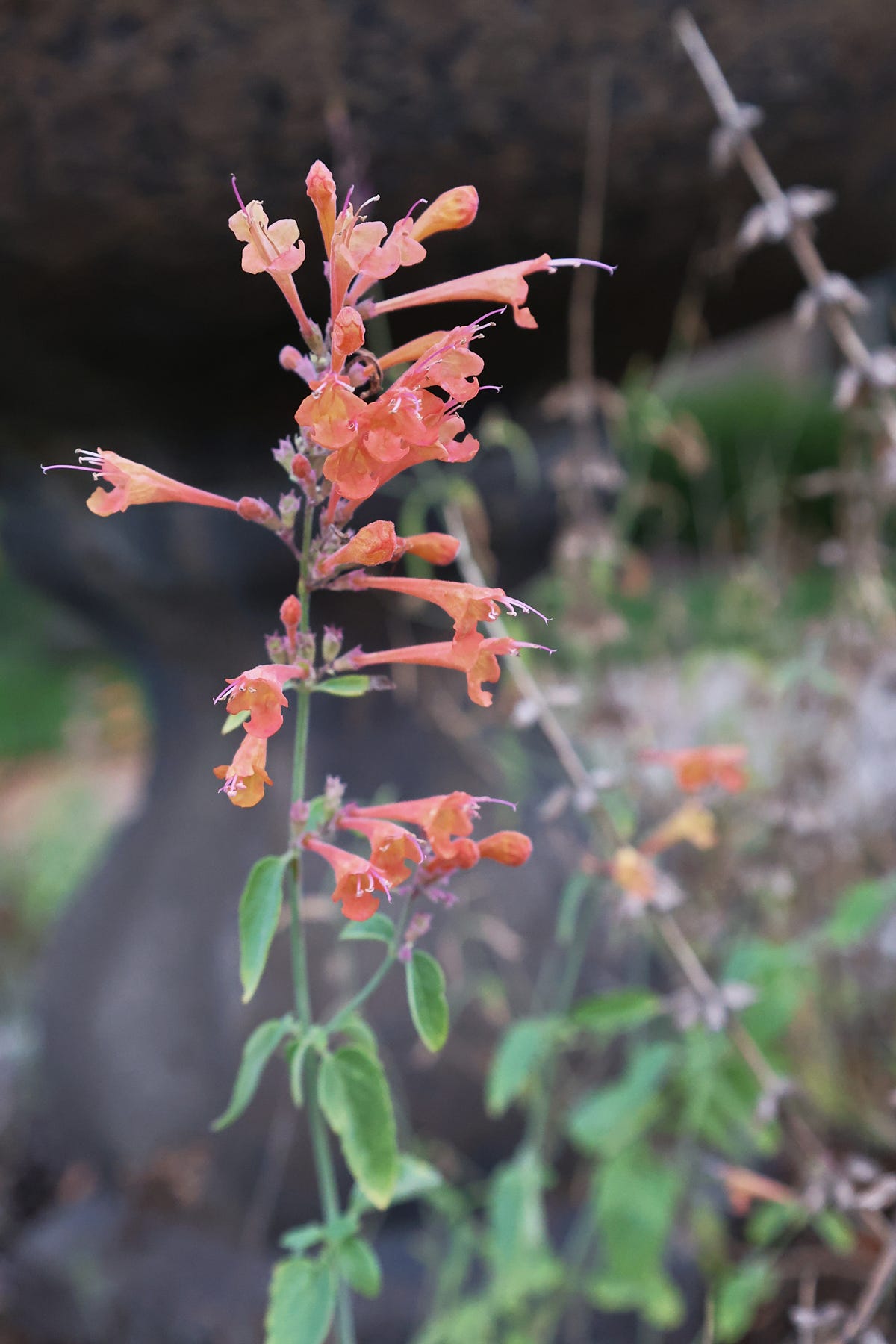
Apricot sprite agastache
I love growing agastache, including anise hyssop and several other varieties with beautiful fragrance and flowers. This short-statured variety is no exception. I have it growing in my herb garden fountain this year.
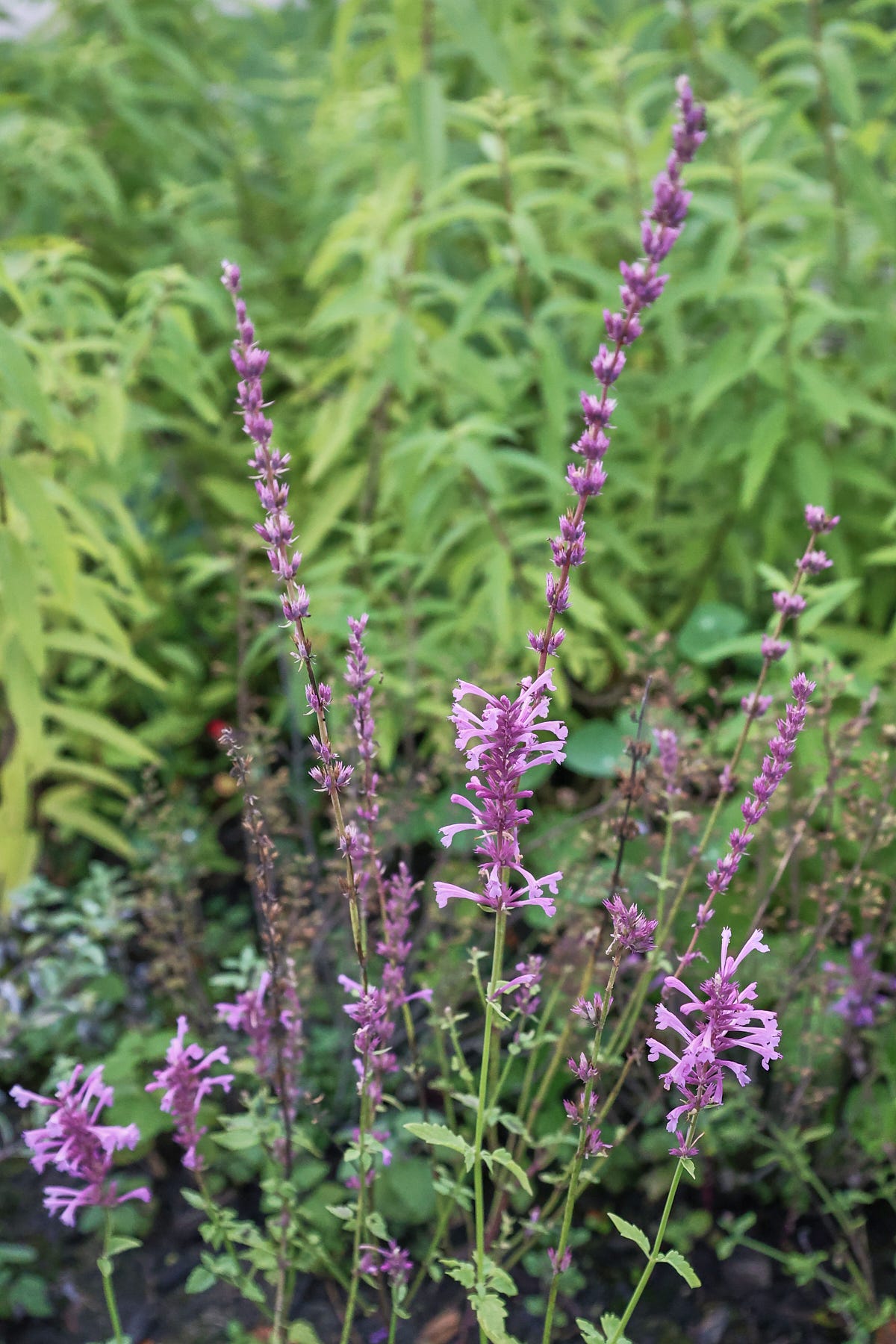
Rose mint agastache
This one is wonderful too, with a delightful fragrance like lavender, rose, and lemon.
Rose petal thyme
This is one of my hands-down favorite thymes. The rose fragrance is incredible! Here is is planted between boulders, where it really thrives.

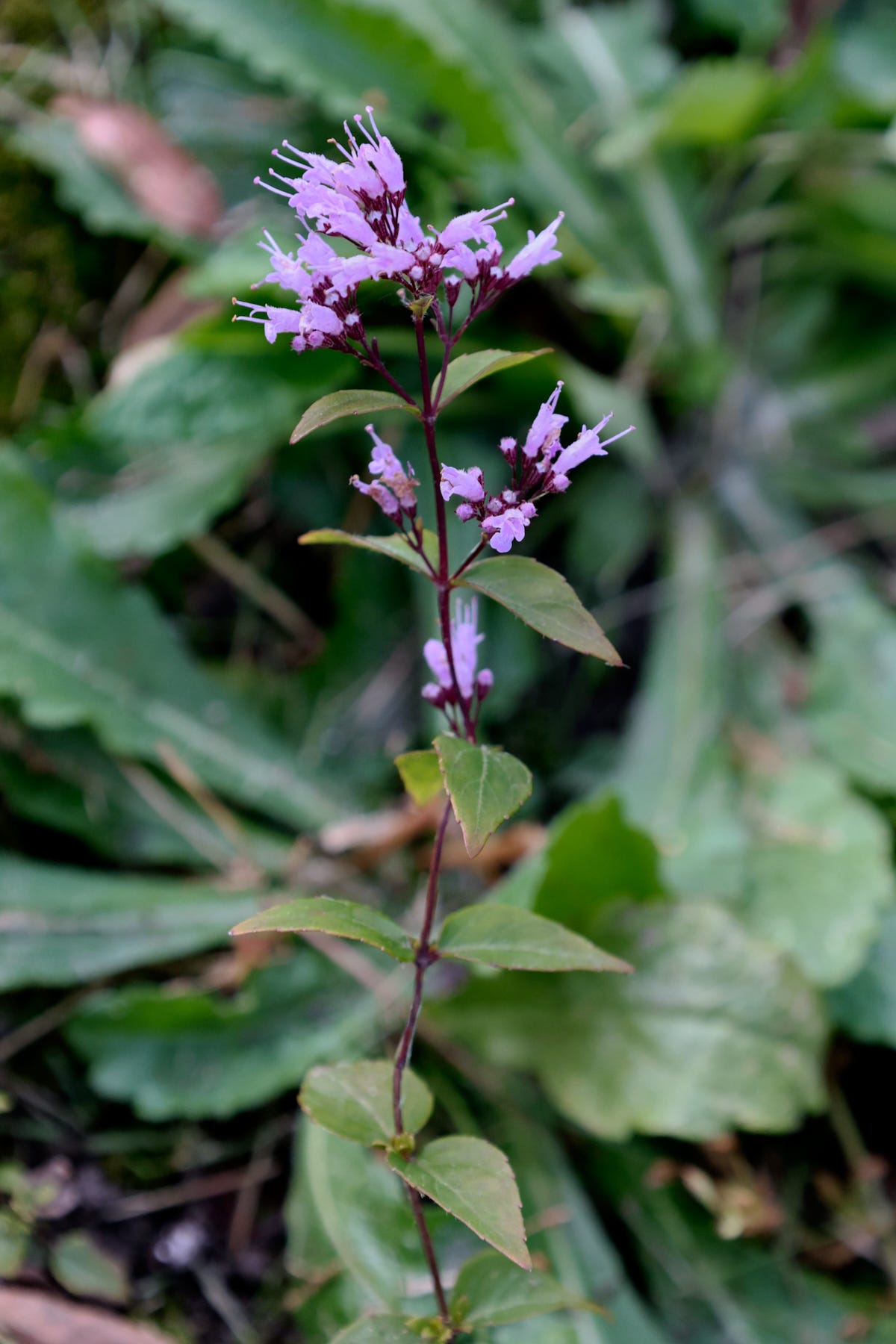
American dittany
This is my first year growing this perennial, which I started indoors under my grow lights. The toughest thing for me about growing perennials is waiting until the second year to see them finally flower. But this guy obliged me with an adorable bloom at the end of the first growing season! Hopefully next year we’ll have a lot of elegant flowers like this when it comes back up next spring.
🌻Flowers
Annual flowers
Nasturtiums
This is a flower I simply always have to grow each year. It’s beautiful, thrives in poor soil, drought, and part shade, blooms in the fall when most other plants are in decline, and the leaves and flowers are both edible! They taste peppery, like arugula. I just adore this plant.
Here’s how it looks in a landscaping bed right now. I’ve planted several beds like this. It’s an inexpensive way to fill in some landscaping areas if you’re not ready to spring for more expensive shrubs.
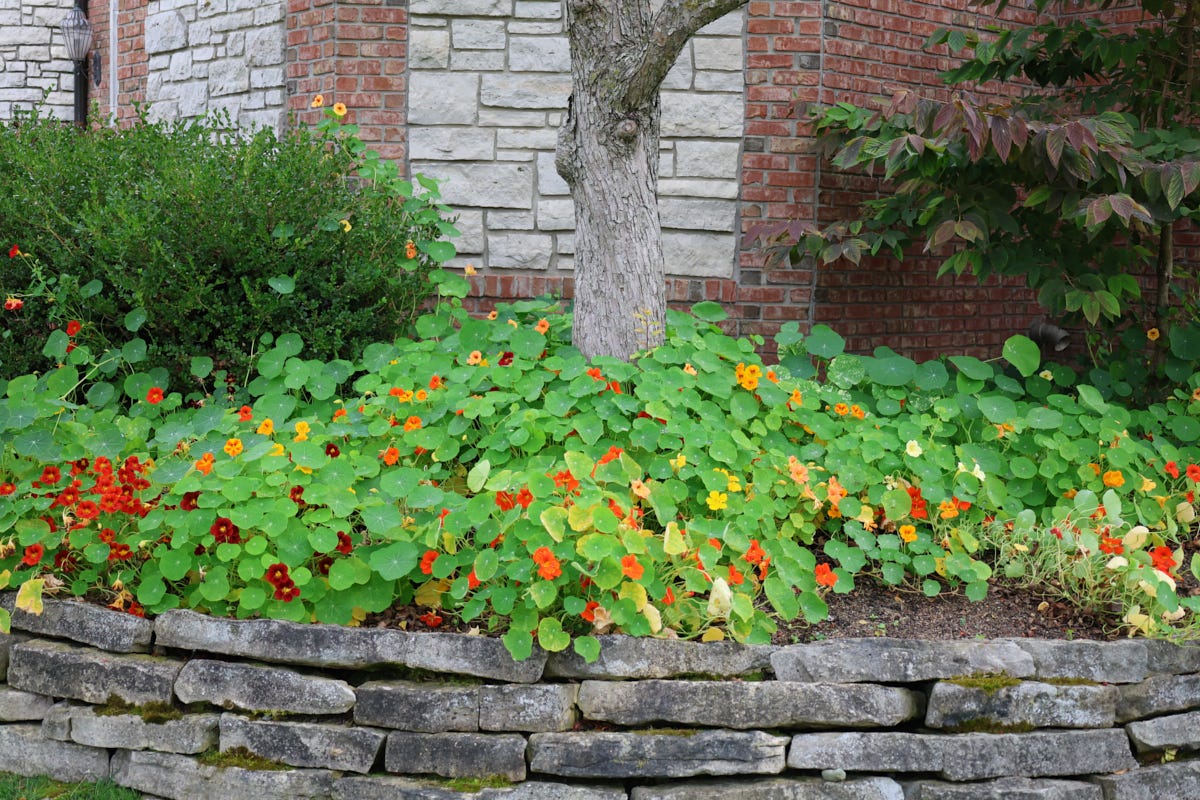
It nearly killed me in the 2 days it took me to plant the thousands of seeds I added all over my landscaping. The seeds are large, and they come up most reliably if you poke each one individually into the soil.
I was hobbling around in back pain for hours after this. But it was worth it, because after this first year planting, this annual reseeds itself really well. I don’t know how the plants germinate so well from reseeding when sprinkling them the first year isn’t nearly as effective.
I’m assuming it’s because of all of the soil shifting during the freeze and thaw cycles over the winter and spring. Whatever the reason, letting them resprout all on their own has worked really well for me.
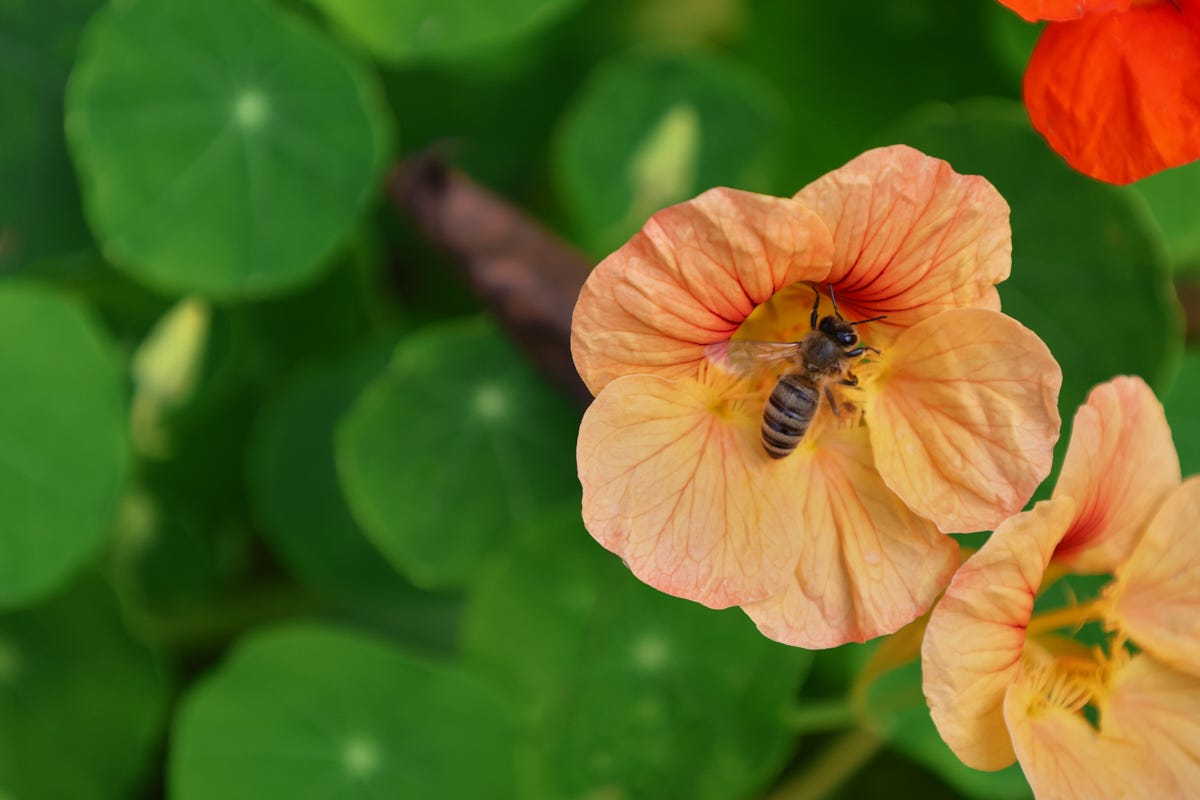
So next year, and hopefully from now on, all I’ll have to do is see where the plants are sprouting, and add some additional seeds wherever there are gaps. Simple! And just look how gorgeous the flowers are:


The yellow and orange ones are the most classic colors, but these days, there are so many striking varieties in all sorts of shades if you look through the vendors online. I’ve found mine this year from Baker Creek Seeds and Eden Brothers.


Sunflowers
These amazing blooms give you such stunning colorful displays for so little effort. They’re annuals, like the nasturtiums, and they also grow best when planted as seeds directly into the soil. They’re practically effortless.
And look how amazing the flowers are. I have seeds for sunflowers as low as 18 inches (46 cm) to as tall as 12 feet (3.7 m). I tend to prefer the ones in the middle, at 4-6 feet (1.2 to 1.8 m), since they don’t start to lean as much when the flower heads get heavy in late summer and into the fall.
Plus, there are so many brilliantly-colored variations in the mid-height range. And the stalks are easier to take down in late fall when the blooms are done.


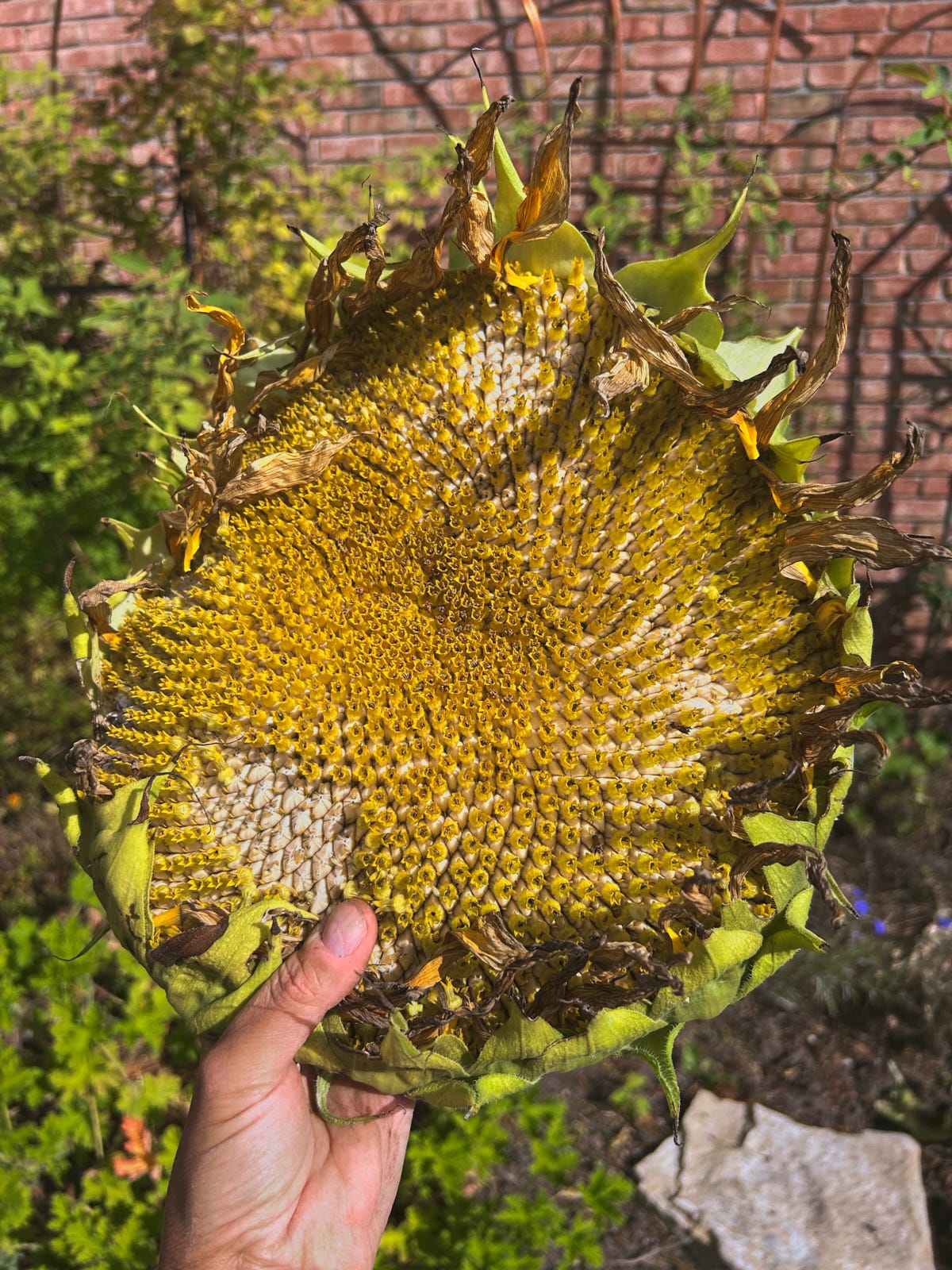
After the flowers are done, and I’ve harvested the stalks, I like to leave the giant seed-filled flower heads out for the animals to enjoy.
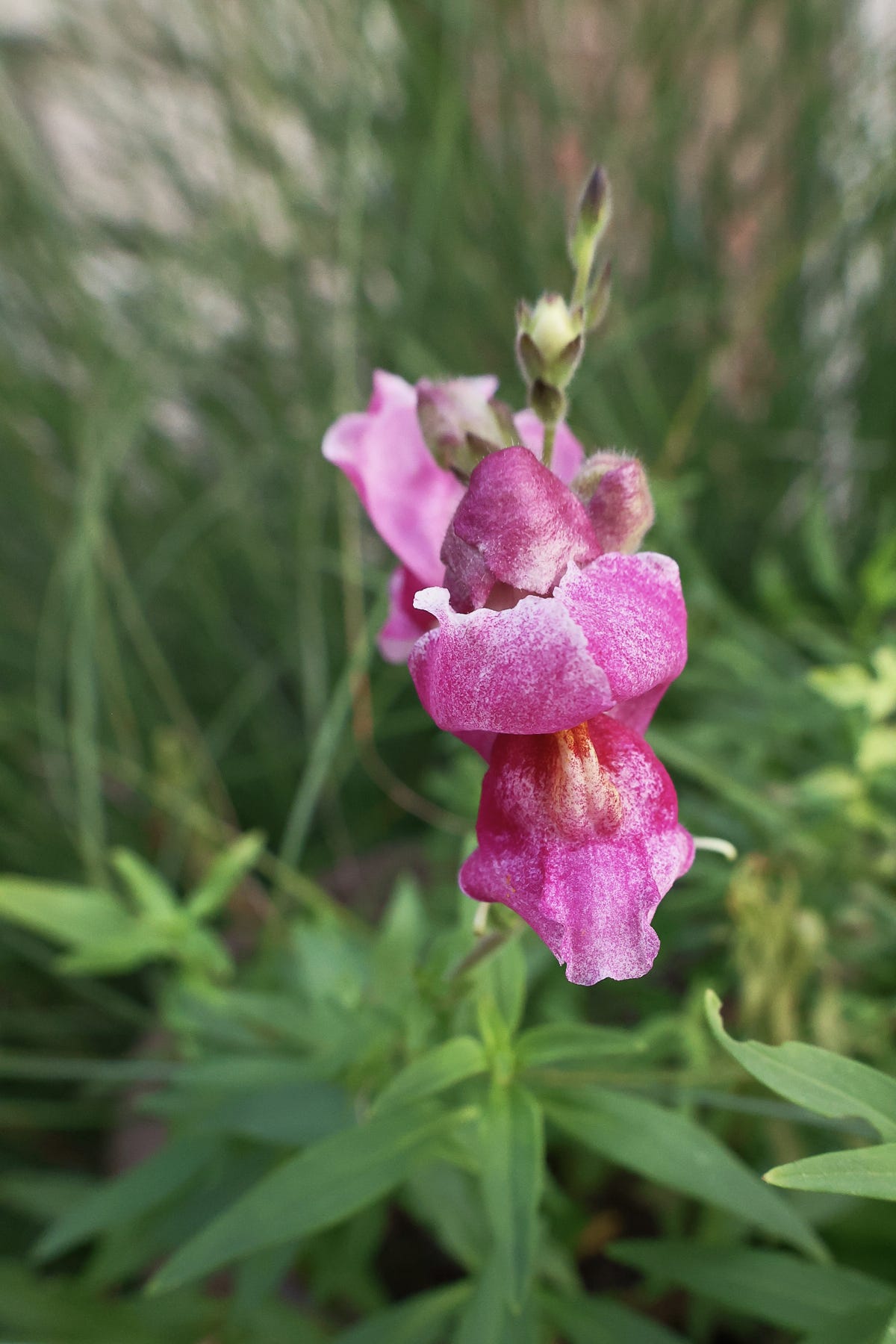
Snapdragon, bizarre mixed
This is such a striking variety. I love the splotches of vibrant pink. Snapdragons have always been one of my favorite flowers. I’ve sprinkled photos of several varieties in my newsletters throughout this summer.
I’d like to branch out some more and try out an even larger variety next year. Snapdragons are just stunning, and so much fun for the kids to snap open and closed when they were little.
Plus, the dried seed pods look just like little skulls. The kids always loved this part too.
Perennial flowers
Yarrow
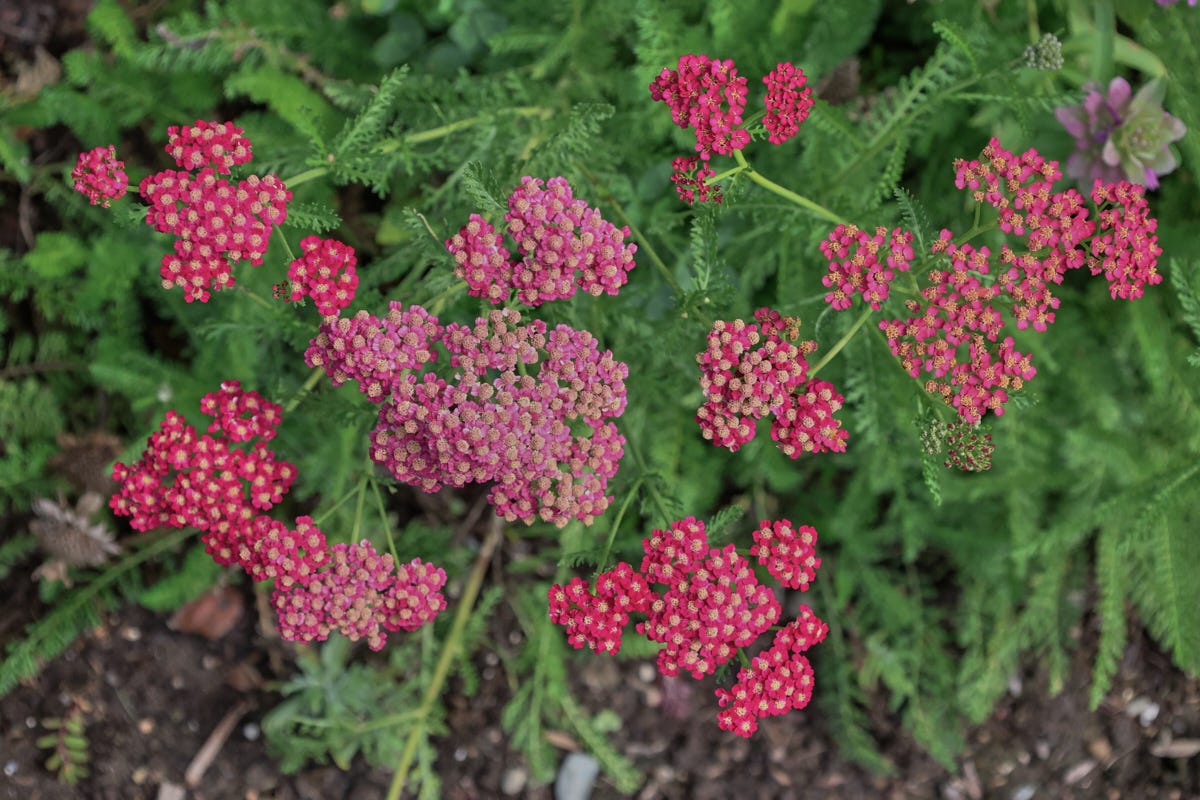
This is my first year growing yarrow. The tiny flowers come in a huge spectrum of colors, and the delicate filigreed leaves lend some nice textural interest.
The leaves and flowers are slightly bitter and herbaceous, and can be used as edible garnishes or added sparingly to salads, soups, and stews.
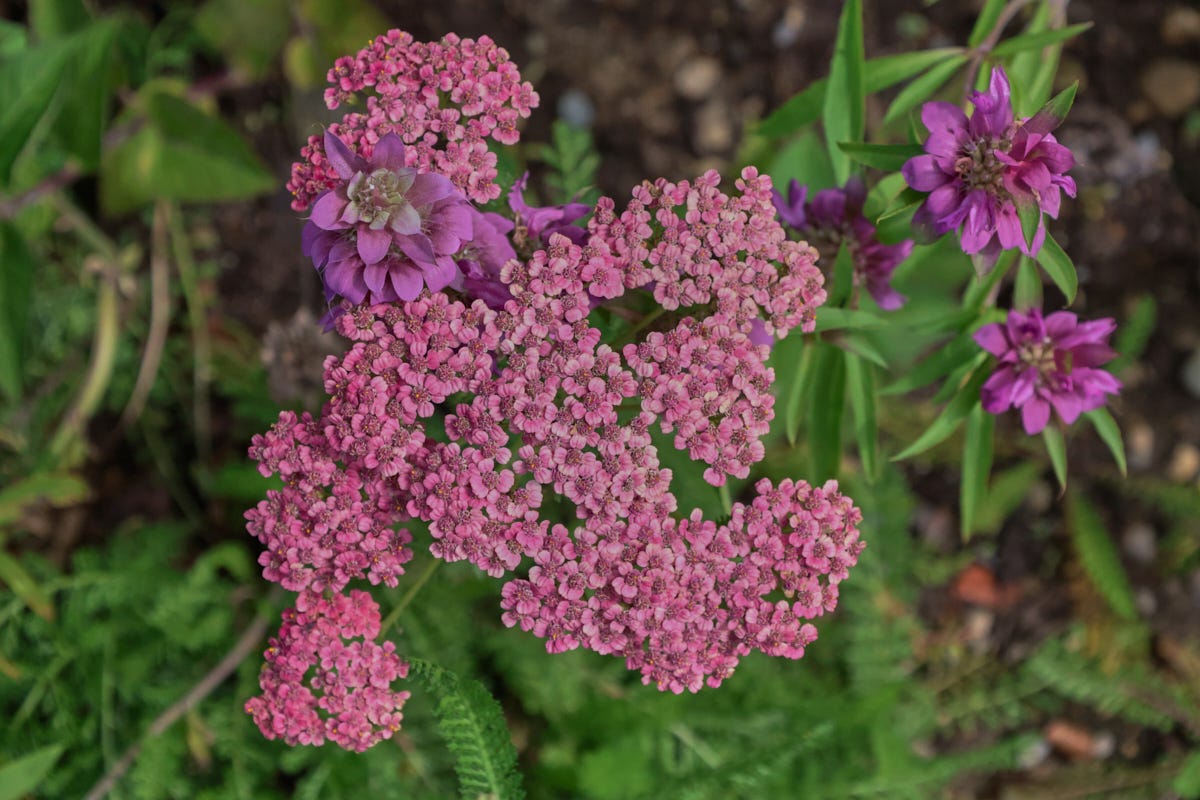
While I grow flowers that are edible whenever I can, I’m also interested in this perennial plant for its use in permaculture. It’s a huge pollinator magnet, as well as a dynamic accumulator. The deep roots pull up favorable minerals, which makes them available for the nearby shallow-rooted plants.
Yarrow also improves soil structure, speeds decomposition due to its high nitrogen content, and encourages biodiversity by attracting predatory insects to reduce pest populations.
This plant has so many great advantages, and it’s beautiful to boot. I’m going to look into expanding my selection for next year.
Hydrangea
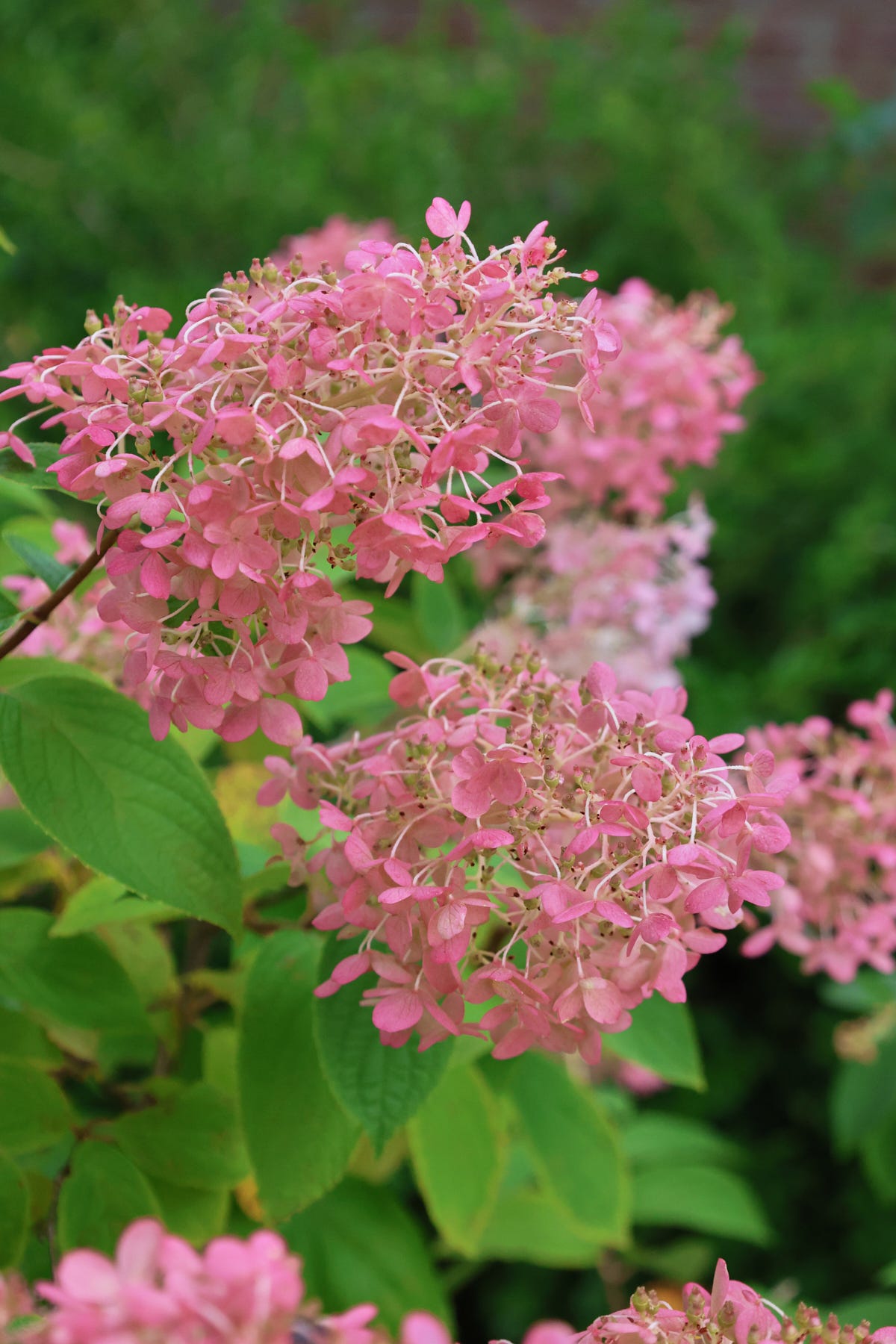
I’ve always been partial to hydrangeas. Especially the panicle varieties like the one below with the huge cone-shaped blossoms that deepen in color as the summer moves into fall. This one was already at our new house when we bought it, so I’m not sure of the variety.
It looks to be a dwarf cultivar, as it’s much smaller than the large vanilla strawberry panicle type I’ve planted in the past. But I love these blooms, the hardiness and resilience of this shrub after I’ve moved it around a few times, and its ability to grow on new wood. This makes pruning much more forgiving than with some of the vintage (and yet also beautiful) mophead varieties I’ve grown that only bloom on old wood (the previous year’s stems).
🍂Fall garden slowdown
The cold has made its inexorable creep into the gardens. While I still have some cold-hardy greens ripening, my real-time crop newsletters will soon need to be replaced with more cooking posts with the harvests.
This is of course really exciting, as I love the ever-changing nature of my job. I’m always switching from weeding, photo shoots, recipe testing, recipe trial result yelling, LOL; global food photo prop research, seed and plant research, reading more about permaculture, regenerative agriculture, and important heirloom crops, writing blog posts and newsletters, etc.
If I ever get crabby about one facet of my job, I have another one waiting in the wings to make it refreshing again. As my daughter Sophie always reminds me when I go stark raving mad about the frozen horrors of our impending winter, “Mom, you’d lose your mind if you were able to garden and had to weed year-round.”
Which is so true, but does it outweigh 9 months of freezing to death and shouting my most creative expletives into the 4PM darkness? Soon we’ll see. (Insert diabolically evil laugh….)
As always, I’m so very grateful to have you here in the garden with me. Thanks so much for reading this! Please also check out my heirloom gardening and vegan cooking blog Shovel and Crunch, and follow my social media pages. And sharing with others is always most welcome. Thanks!❤️
🌱Shell
I enjoy realizing I don't have to look up to view the beautiful fall colors. You reminded me that they are also close to the ground! Thanks, Shell.
Goodness you have been busy. Amazing...